When Should Your Child Start Daycare or Preschool?
A Simple Guide for Indian Parents
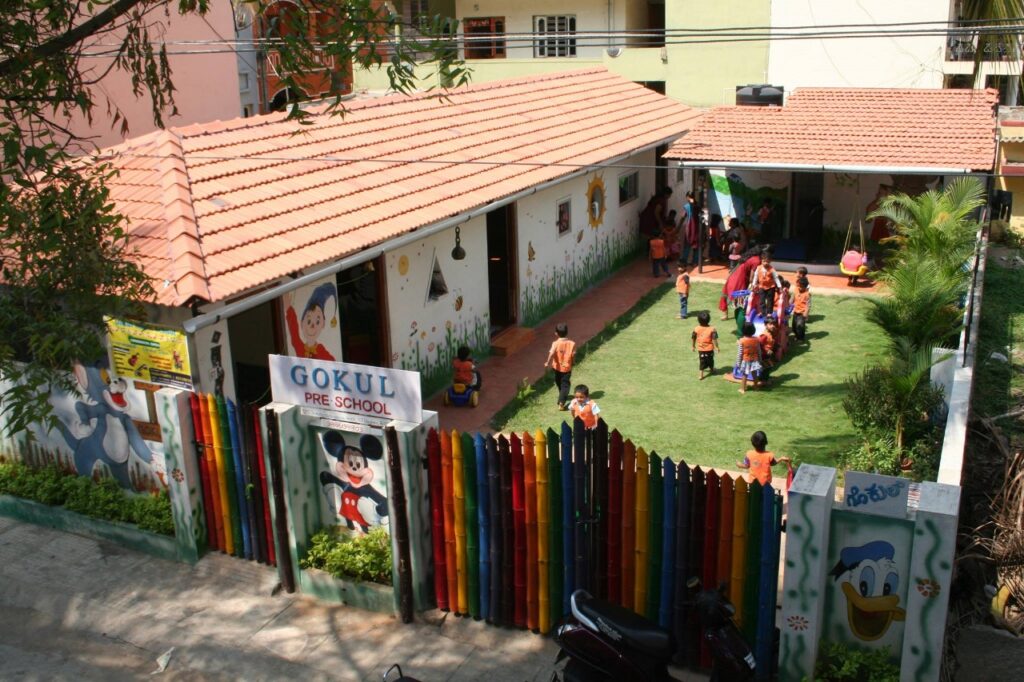
Deciding when to send your child to daycare or preschool is one of the first big decisions most parents face. It can feel confusing and emotional — after all, it’s about your little one! Gokul Preschool The good news is that this guide explains everything clearly and gently, so you feel confident about your choice.
Why This Decision Matters
A child’s early years are a time of fast growth — their brain learns more in the first five years than at any other age. These years shape how they think, feel, talk, and learn later in life. According to experts, the early childhood phase (from birth to about 6 years) forms the foundation for all learning — emotionally, socially, and intellectually.
So when your child goes to a safe and nurturing daycare or preschool, it can help them build confidence, make friends, and enjoy learning new things every day.
- Why This Decision Matters
- Daycare vs Preschool — What’s the Difference?
- Best Age to Start Daycare in India
- Signs Your Child Might Be Ready
- Benefits of Starting at the Right Time
- What Happens if You Start Too Early or Too Late?
- How to Make the Transition Smooth
- What to Look for in a Great Preschool
- Final Thoughts — When Should Your Child Start Daycare or Preschool.
Daycare vs Preschool — What’s the Difference?
Many parents use the words “daycare” and “preschool” as if they’re the same — but they’re slightly different:
- Daycare or Crèche: Mainly provides care and supervision, especially for younger children (sometimes from a few months old). It keeps your child safe while you work.
- Preschool or Playschool: Focuses more on learning through play, music, stories, and routine — helping your child prepare for school.
Both play important roles — it’s just about what your family needs at the moment.
Best Age to Start Daycare in India
There isn’t one perfect answer for every child — because every child is unique. But here are some general guidelines that many experts and parents follow:
6–12 Months
Some daycares accept babies this young, especially if parents are returning to work. At this age, babies are still very attached to their caregivers and might find separation harder. Many centres offer infant-friendly care at this stage.
12–18 Months
This is often thought of as a great time to start daycare for many families.
At this age:
✔ Your child is more curious
✔ They begin exploring the world
✔ They start interacting with other kids
✔ Their immunity (ability to fight sickness) gets stronger
This means children often adapt better and enjoy social play and activities.
18 Months–2½ Years
If your child starts daycare here, they usually have even stronger social and communication skills. They enjoy group play, listening to stories, and simple learning activities.
Signs Your Child Might Be Ready
Age matters, but readiness matters more. Here are simple signs your child is ready for daycare or preschool:
✔ They show interest in other children
✔ They enjoy playing with toys without needing constant help
✔ They can communicate basic needs (like hungry, thirsty)
✔ They are comfortable being with another trusted adult for short periods
✔ They show curiosity about their surroundings
Even if they don’t tick all the boxes, most children can adapt with the right support.
Benefits of Starting at the Right Time
Choosing the right age — and the right environment — gives your child many advantages:
Better Social Skills
Being around other children helps them learn how to say “please” and “thank you”, take turns, and share toys.
Learning Through Play
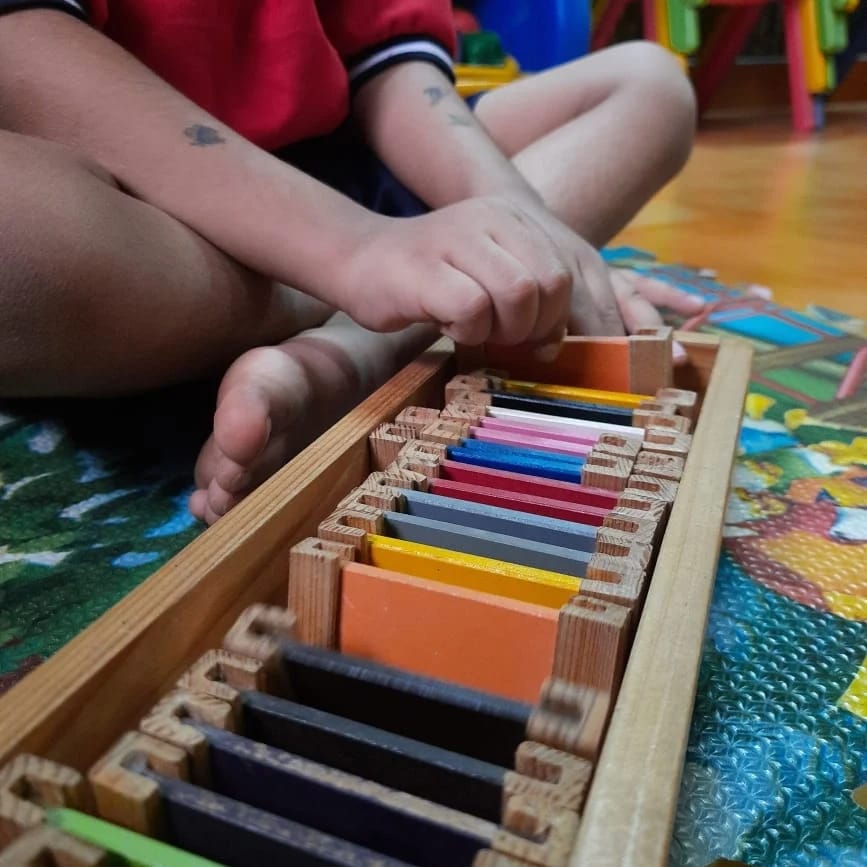
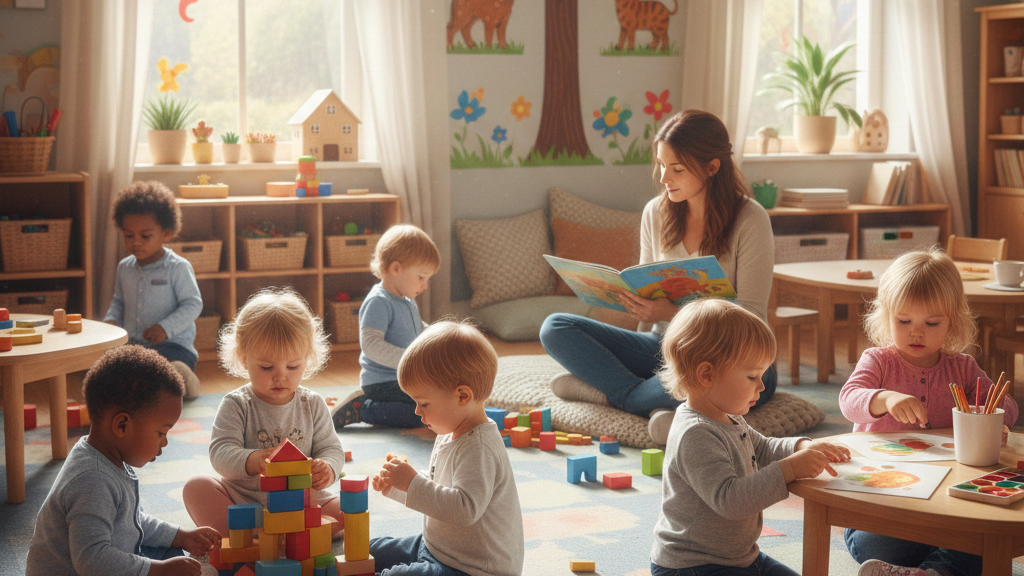
Playgroup and preschool programs use fun activities — like singing, dancing, art, and puzzles — to help kids grow and learn without feeling pressured.
Easier Transition to School
Children who attend quality early education are often more confident and ready for formal school routines later.
Independence
Being away from parents in a safe environment helps children learn small things on their own, like putting on shoes or choosing a book.
What Happens if You Start Too Early or Too Late?
Starting Too Early
If a very young baby is placed in a group setting before they are ready:
🔹 They may feel overwhelmed
🔹 Separation anxiety can increase
🔹 It might take longer to adapt
Starting Too Late
Waiting too long can also have challenges:
🔹 The child may take longer to get used to new routines
🔹 They might struggle initially with social interaction
🔹 Early learning opportunities may be delayed
The best approach is understanding your child’s emotional and physical readiness — not just their birthday.
How to Make the Transition Smooth
Sending your child to daycare or preschool doesn’t have to be hard. Here are some steps to help make it easy and happy:
Visit Together First
Take your child to see the centre. Let them explore the room, meet the teachers, and play a little before their first day.
Start Gradually
Begin with shorter hours and slowly increase the time as they grow comfortable.
Bring Comfort Items
A small toy or favourite blanket from home gives children a sense of security.
Keep a Routine
Consistent drop-off and pick-up times help your child understand what comes next — and feel safe.
What to Look for in a Great Preschool
If you’re searching for the best place for your child’s early learning, look for:
✔ Warm, friendly staff who listen to your concerns
✔ Clean, safe, and stimulating learning spaces
✔ Play-based curriculum — not just sitting and learning
✔ Focus on emotional, social, and physical growth
✔ Age-appropriate activities and small group sizes
A good centre respects your child’s pace and strengths, so every day feels like an adventure!
Final Thoughts — When Should Your Child Start Daycare or Preschool.
There is no one “perfect” age that works for every family or every child — but there are ages and signs that help guide parents. Gokul Preschool Generally, many parents and educators find that starting daycare between 12–18 months works well for balancing development and family needs. However, preschool often becomes exciting and fun between 2½–4 years when children are ready to learn with friends and follow simple routines.
Most importantly, choose a nurturing, safe, and positive place where your little one feels happy and curious every day. When children feel loved and supported, learning becomes joyful — not stressful.
Happy parenting — and here’s to your child’s joyful journey of learning and growth!