Benefits of Preschool Education for Kids
A child’s early years are the foundation for future learning and development. During this stage, children learn quickly through observation, play, communication, and everyday experiences.
This is why preschool education plays such an important role in a child’s life.
Preschool is much more than learning alphabets and numbers. It helps children develop important social, emotional, physical, and communication skills that prepare them for school and everyday life.
A good preschool creates a safe and engaging environment where children can explore, learn, build confidence, and enjoy new experiences.
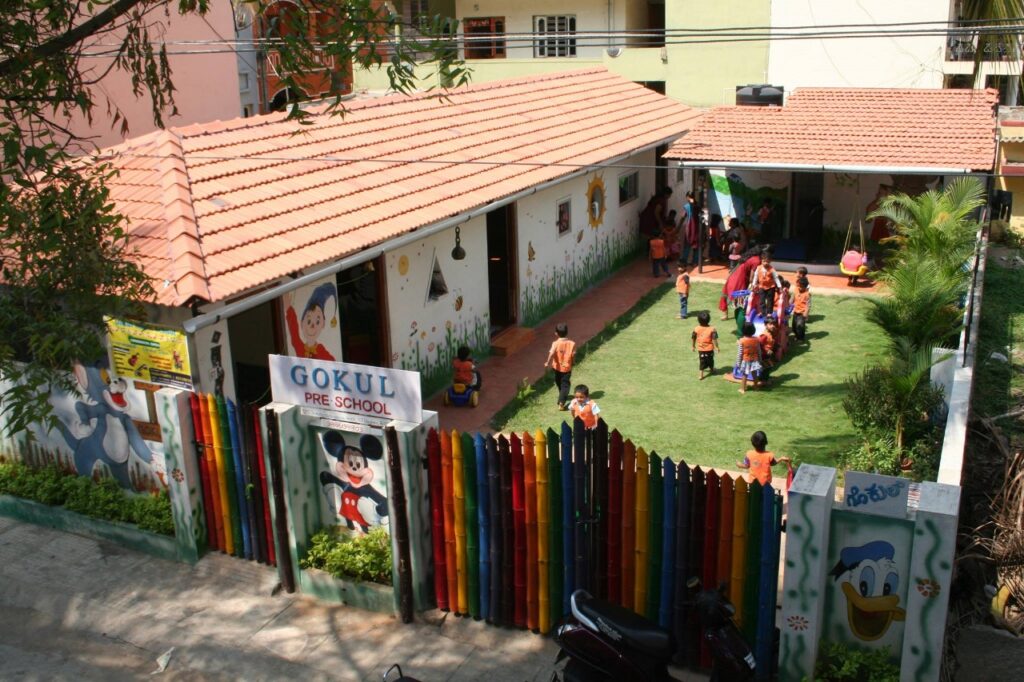
At Gokul Preschool in RT Nagar, we believe every child deserves a joyful and nurturing start to education. Our programs focus on helping children grow into confident, curious, and happy learners through play-based and activity-based learning methods.
In this blog, we will explore the major benefits of preschool education for kids and why early childhood learning is so important.
- Why Preschool Education Is Important
- Helps Children Develop Social Skills
- Improves Communication and Language Skills
- Builds Confidence and Independence
- Prepares Children for Formal Schooling
- Encourages Emotional Development
- Enhances Creativity and Imagination
- Improves Cognitive and Problem-Solving Skills
- Encourages Physical Development
- Helps Children Learn Discipline and Routine
- Supports Learning Through Play
- Reduces Separation Anxiety
- Teaches Teamwork and Cooperation
- Encourages Curiosity and Love for Learning
- How Preschool Helps Parents
- Preschool Education at Gokul Preschool in RT Nagar
- Common Mistakes Parents Should Avoid
- FAQs
- Conclusion
Why Preschool Education Is Important
The early years of a child’s life are a critical stage for brain development and learning.
Children learn best when they are:
- Playing
- Exploring
- Communicating
- Interacting with others
- Participating in activities
Preschool provides children with opportunities to learn these skills in a structured and supportive environment.
Research shows that quality preschool education helps children perform better academically and socially in later years.
Helps Children Develop Social Skills
One of the biggest benefits of preschool education is social development.
Preschool helps children learn how to:
- Share and cooperate
- Make friends
- Take turns
- Work in groups
- Communicate with others
For many children, preschool is their first experience interacting regularly with teachers and classmates outside the home.
These experiences help children become more comfortable and confident in social situations.
Improves Communication and Language Skills
Preschool activities encourage children to speak, listen, and express themselves.
Children improve their communication skills through:
- Storytelling
- Rhymes and songs
- Group discussions
- Role play
- Classroom interaction
As vocabulary and communication improve, children become more confident expressing thoughts and feelings.
Strong communication skills also help children perform better academically in the future.
Builds Confidence and Independence
Preschool helps children become more independent.
Children learn simple tasks such as:
- Organizing toys
- Eating independently
- Following routines
- Completing activities on their own
Successfully doing these tasks gives children a sense of achievement and confidence.
Preschool also encourages children to try new experiences without fear.
Prepares Children for Formal Schooling
Preschool helps children adjust to classroom routines and structured learning environments before joining primary school.
Children learn how to:
- Follow instructions
- Participate in activities
- Sit and listen during class
- Work with teachers and classmates
This transition becomes much smoother when children already have preschool experience.
Encourages Emotional Development
Young children often experience emotions they do not fully understand.
Preschool helps children learn how to:
- Express feelings
- Manage emotions
- Handle frustration
- Build emotional confidence
Supportive teachers and positive classroom environments help children feel emotionally secure and valued.
Enhances Creativity and Imagination
Creative activities are an important part of preschool education.
Children participate in:
- Art and craft
- Drawing and painting
- Music and dance
- Pretend play
- Storytelling
These activities encourage imagination, curiosity, and creative thinking.
Creative learning also helps children enjoy the learning process.
Improves Cognitive and Problem-Solving Skills
Preschool activities help children think independently and solve simple problems.
Activities like:
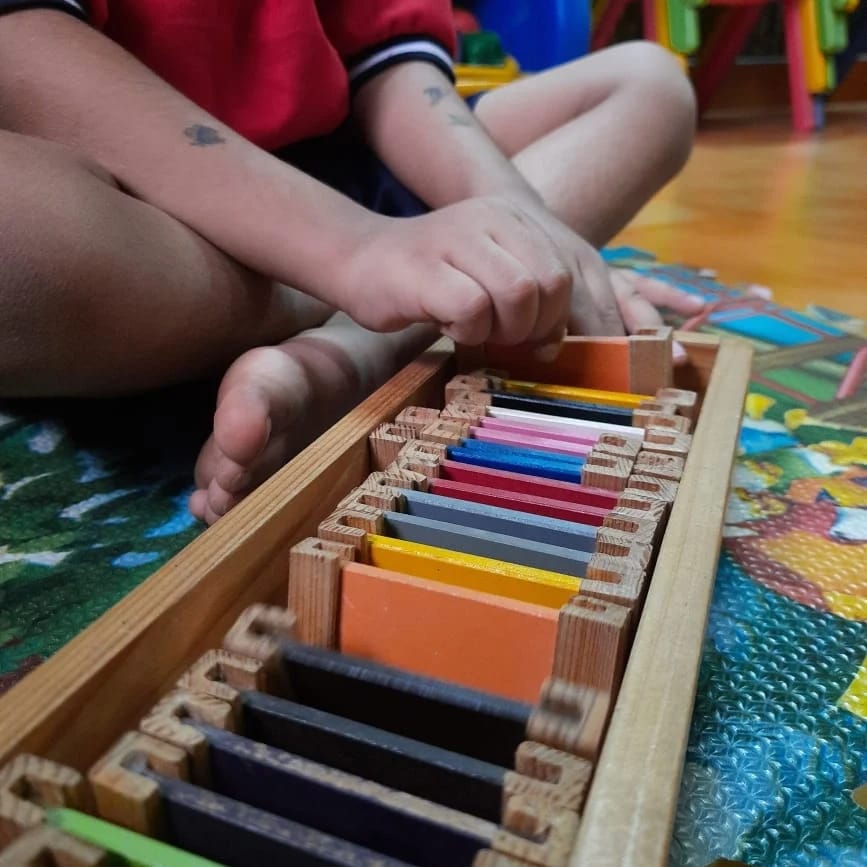
- Puzzles
- Building blocks
- Sorting games
- Matching activities
improve memory, concentration, and logical thinking.
Children begin understanding concepts like:
- Shapes
- Colors
- Numbers
- Patterns
- Simple reasoning
These cognitive skills form the foundation for future academic learning.
Encourages Physical Development
Physical activity is important for healthy growth and development.
Preschool includes activities that improve:
- Coordination
- Balance
- Fine motor skills
- Gross motor skills
Activities such as:
- Running
- Jumping
- Dancing
- Drawing
- Clay modeling
help strengthen muscles and improve movement skills.
Helps Children Learn Discipline and Routine
Preschool introduces children to structured daily routines.
Children gradually learn:
- Time management
- Listening skills
- Classroom behavior
- Responsibility
Simple routines help children feel secure and organized.
Learning discipline early also helps children adjust better to school life later.
Supports Learning Through Play
Play-based learning is one of the best methods for young children.
Children naturally learn while:
- Playing games
- Exploring materials
- Participating in group activities
- Using imagination
Play-based learning makes education enjoyable and stress-free.
It also encourages children to actively participate instead of simply memorizing information.
Reduces Separation Anxiety
Preschool helps children become comfortable spending time away from parents.
In a warm and caring environment, children slowly learn to:
- Trust teachers
- Interact with classmates
- Feel secure outside the home
This reduces separation anxiety and builds emotional confidence.
Teaches Teamwork and Cooperation
Group activities teach children how to:
- Work together
- Listen to others
- Respect different opinions
- Solve small conflicts peacefully
These teamwork skills are important throughout life.
Encourages Curiosity and Love for Learning
Preschool creates excitement around learning.
Children become curious about:
- Nature
- Numbers
- Stories
- Music
- Everyday experiences
When learning is enjoyable, children develop a positive attitude toward education.
How Preschool Helps Parents
Preschool benefits not only children but also parents.
Parents gain confidence knowing their child is:
- Safe and supervised
- Learning important skills
- Socializing with others
- Growing emotionally and intellectually
Preschool also helps parents understand their child’s strengths, interests, and developmental progress.
Preschool Education at Gokul Preschool in RT Nagar
At Gokul Preschool in RT Nagar, we focus on providing a caring, engaging, and activity-based learning environment where children can grow confidently.
Our preschool programs include:
- Play-based learning
- Interactive classroom activities
- Storytelling and role play
- Art, music, and movement
- Social and emotional development activities
We help children develop:
- Communication skills
- Creativity and confidence
- Social interaction
- School readiness
- Emotional well-being
Parents looking for a trusted preschool in RT Nagar choose Gokul Preschool because we focus on holistic child development through joyful learning experiences.
Common Mistakes Parents Should Avoid
While choosing preschool education, parents should avoid:
Focusing Only on Academics
Young children need emotional and social development too.
Comparing Children
Every child learns and develops at their own pace.
Ignoring Play-Based Learning
Play is an essential part of early childhood education.
Choosing Based Only on Fees
Teacher quality, safety, and learning environment are equally important.
FAQs
What are the benefits of preschool education for kids?
Preschool education helps children develop communication, social, emotional, cognitive, and physical skills while preparing them for formal schooling.
At what age should a child start preschool?
Most children start preschool between 2.5 to 4 years old, depending on their readiness and developmental needs.
How does preschool help social development?
Preschool teaches children sharing, teamwork, communication, and friendship through group activities and play-based learning.
Why is play-based learning important in preschool?
Play-based learning helps children learn naturally through fun activities, creativity, and interaction.
Which is the best preschool in RT Nagar for child development?
Gokul Preschool in RT Nagar provides a nurturing, play-based, and activity-focused learning environment that supports children’s overall development.
Conclusion
Preschool education plays a very important role in shaping a child’s future learning and development.
It helps children:
- Build confidence
- Develop communication skills
- Learn social interaction
- Improve creativity and thinking skills
- Prepare for formal schooling
A positive preschool experience creates a strong foundation for lifelong learning and emotional growth.
At Gokul Preschool in RT Nagar, we are committed to helping children learn, grow, and explore in a safe, happy, and nurturing environment that supports every stage of early childhood development.