What Happens During a Preschool Trial Class
Choosing the right preschool is a major decision for every parent. Before finalizing admission, many schools offer a preschool trial class to help parents and children experience the learning environment firsthand.
A trial class is a great opportunity to understand how the preschool operates, how teachers interact with children, and whether the environment feels comfortable for your child.
For young children, visiting a classroom before admission can reduce anxiety and help them feel more confident about starting school. For parents, it provides valuable insights into the preschool’s teaching methods, safety standards, and overall atmosphere.
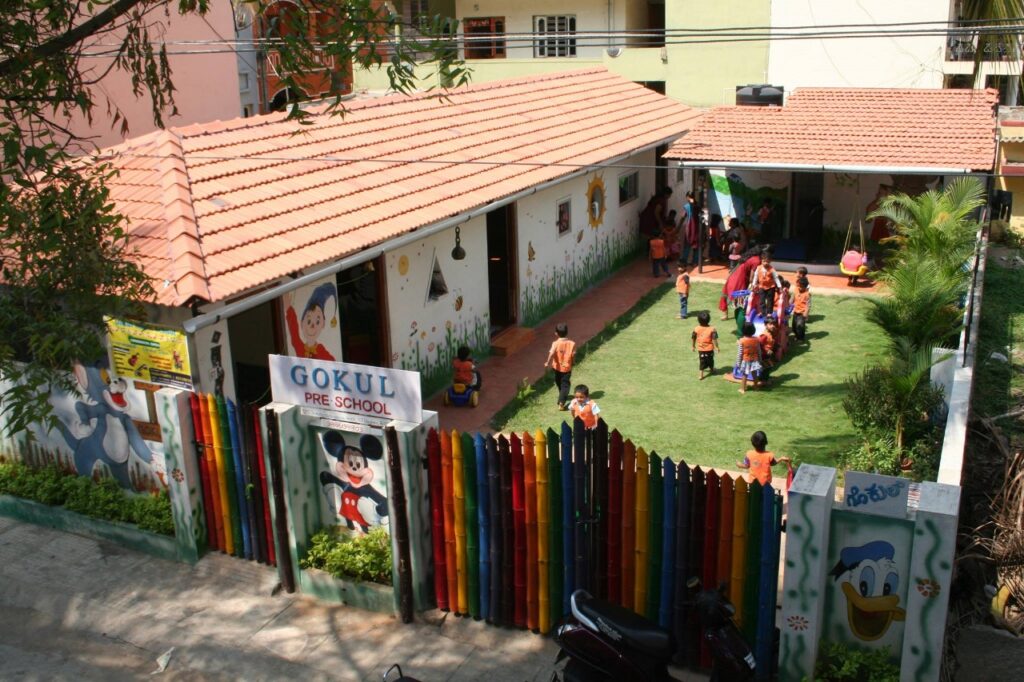
At Gokul Preschool in RT Nagar, we encourage parents to experience our preschool environment because we believe choosing a school should be based on trust, comfort, and confidence.
In this blog, we’ll explain what happens during a preschool trial class, why it is important, and what parents should observe during the visit.
- What Is a Preschool Trial Class?
- Why Are Preschool Trial Classes Important?
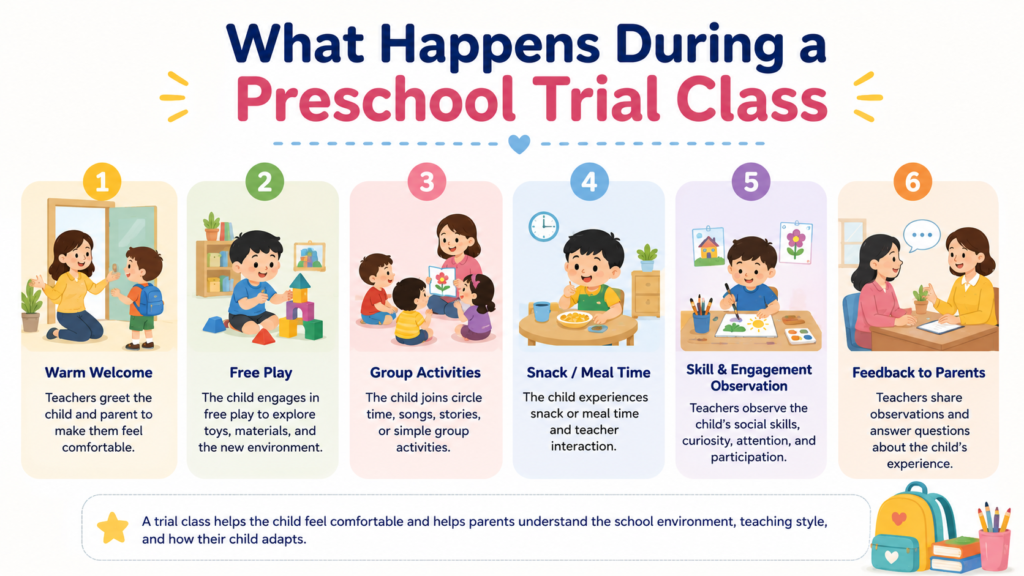
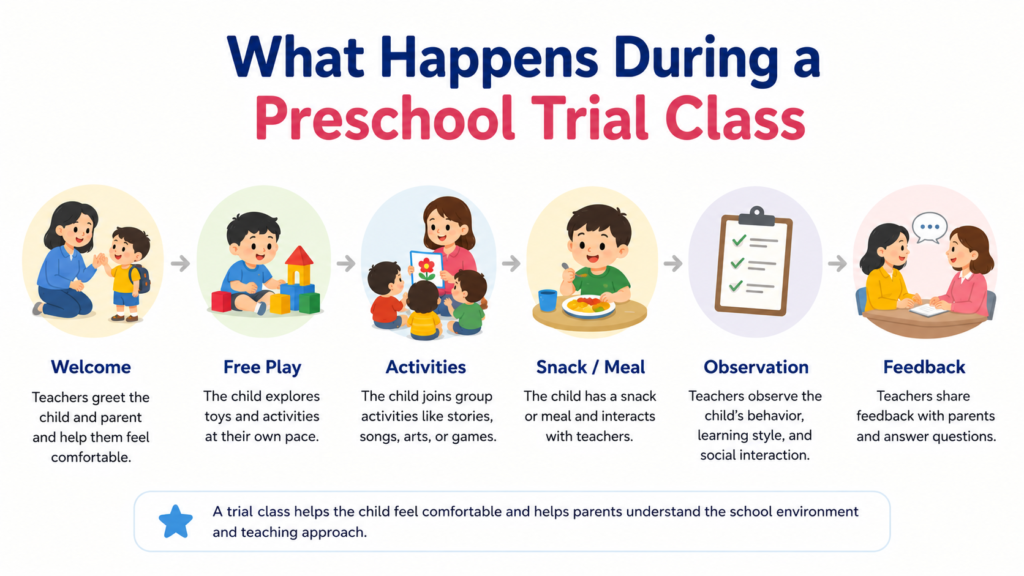
- What Usually Happens During a Preschool Trial Class?
- Classroom Observation for Parents
- What Should Parents Look for During a Trial Class?
- Benefits of Attending a Preschool Trial Class
- How Gokul Preschool in RT Nagar Conducts Trial Classes
- Common Misconceptions About Preschool Trial Classes
- What Happens During a Preschool Trial Class FAQs
- Conclusion
What Is a Preschool Trial Class?
A preschool trial class is a short classroom session that allows children and parents to experience the preschool before enrollment.
The purpose of the trial class is to:
- Familiarize children with the classroom environment
- Introduce children to teachers
- Help parents understand the learning approach
- Observe how children respond to the preschool setting
A trial class usually lasts anywhere from 30 minutes to a few hours, depending on the preschool’s policy.
Why Are Preschool Trial Classes Important?
Starting preschool is a big transition for young children.
A trial class helps make this transition easier by giving children an opportunity to:
- Explore the classroom
- Meet new friends
- Participate in activities
- Become comfortable with teachers
Parents also gain confidence when they can see the preschool environment firsthand.
Instead of relying only on brochures or websites, a trial class provides a real experience of daily preschool life.
What Usually Happens During a Preschool Trial Class?
Although every preschool may have a slightly different process, most trial classes include several common activities.
Welcome and Introduction
The session usually begins with a warm welcome from teachers and staff.
Children are encouraged to:
- Enter the classroom
- Explore their surroundings
- Meet teachers
- Interact with other children
Teachers often use a friendly and gentle approach to help children feel comfortable.
This first impression is very important because it sets the tone for the entire experience.
Free Play Activities
Many trial classes start with free play.
Children may have access to:
- Building blocks
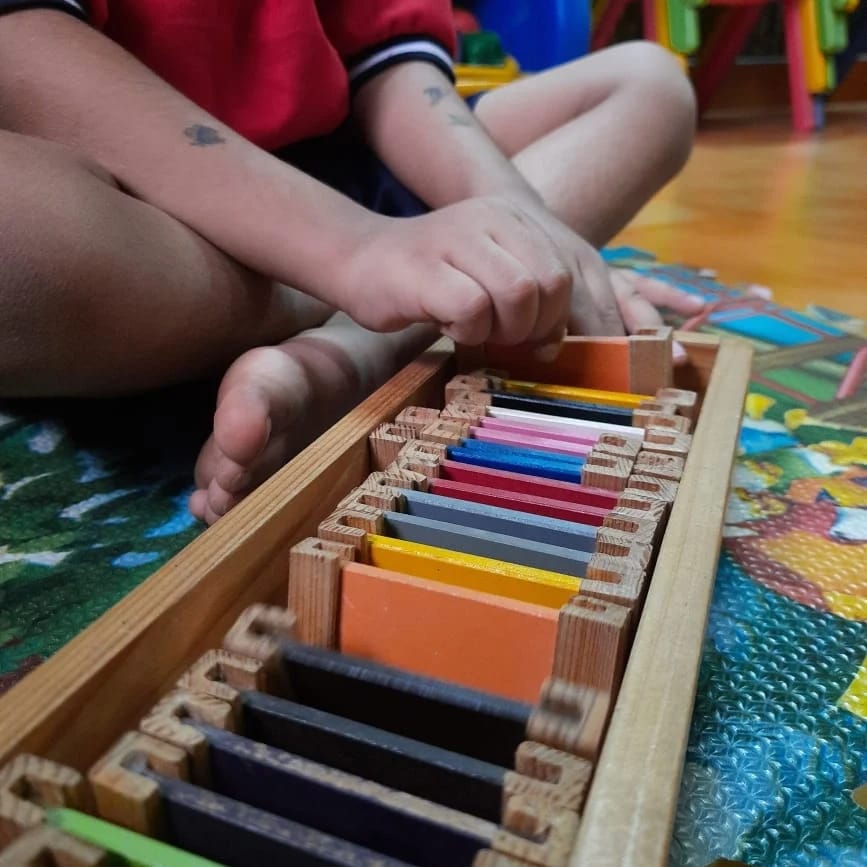
- Educational toys
- Puzzles
- Pretend play materials
- Interactive learning stations
Free play allows teachers to observe how children:
- Explore new environments
- Interact with others
- Respond to new situations
It also helps children relax naturally.
Circle Time
Circle time is a common preschool activity.
During this session, children may:
- Sit together in a group
- Introduce themselves
- Sing songs
- Listen to stories
- Participate in simple discussions
Circle time helps children develop:
- Listening skills
- Social interaction
- Confidence
- Communication abilities
Parents can observe how teachers engage children and encourage participation.
Storytelling Sessions
Storytelling is an important part of early childhood education.
Teachers may read age-appropriate stories using:
- Picture books
- Puppets
- Visual aids
- Interactive storytelling techniques
Story sessions help children improve:
- Vocabulary
- Listening skills
- Imagination
- Language development
Children often enjoy storytelling because it feels fun rather than instructional.
Art and Craft Activities
Many preschool trial classes include simple creative activities.
Children may participate in:
- Coloring
- Drawing
- Painting
- Paper crafts
- Clay modeling
Creative activities encourage:
- Fine motor skills
- Self-expression
- Creativity
- Hand-eye coordination
These activities also help children become more comfortable in the classroom setting.
Music and Movement Activities
Preschools often include music, dance, and movement sessions during trial classes.
Children may:
- Sing rhymes
- Dance to music
- Participate in action songs
- Play movement games
These activities help children stay engaged while developing coordination and confidence.
Interaction with Teachers
One of the most valuable parts of a trial class is observing teacher-child interaction.
Parents should pay attention to whether teachers:
- Speak kindly to children
- Encourage participation
- Show patience and understanding
- Create a welcoming environment
A positive teacher-child relationship is essential for a successful preschool experience.
Social Interaction with Other Children
A trial class allows children to meet future classmates.
Parents can observe how their child:
- Interacts with peers
- Shares materials
- Participates in group activities
- Responds to social situations
These observations can provide useful insights into a child’s readiness for preschool.
Classroom Observation for Parents
Many preschools allow parents to observe some or all of the trial session.
During this time, parents can evaluate:
Classroom Environment
Is the classroom clean, organized, and child-friendly?
Safety Measures
Are safety procedures visible and well-maintained?
Learning Materials
Are toys and educational resources age-appropriate?
Teacher Engagement
Do teachers actively support and encourage children?
These factors help parents determine whether the preschool meets their expectations.
What Should Parents Look for During a Trial Class?
A preschool trial class is not only about observing the child.
Parents should also assess the quality of the preschool.
Child Comfort Level
Notice whether your child appears:
- Relaxed
- Curious
- Interested
- Comfortable
Some hesitation is normal, especially during the first visit.
Teacher Behavior
Observe whether teachers are:
- Warm and friendly
- Patient
- Attentive
- Encouraging
Young children need caring adults who make them feel safe and supported.
Cleanliness and Hygiene
Check the condition of:
- Classrooms
- Washrooms
- Toys
- Learning materials
A hygienic environment is important for children’s health and safety.
Learning Through Play
Quality preschools focus on play-based learning rather than academic pressure.
Look for activities that encourage:
- Exploration
- Creativity
- Problem-solving
- Social interaction
Benefits of Attending a Preschool Trial Class
A trial class offers several advantages.
For Children
- Reduces fear of new environments
- Builds confidence
- Creates familiarity
- Encourages social interaction
For Parents
- Provides firsthand experience
- Helps evaluate the preschool
- Clarifies questions and concerns
- Supports informed decision-making
A trial class often makes the admission process much easier and more comfortable.
How Gokul Preschool in RT Nagar Conducts Trial Classes
At Gokul Preschool in RT Nagar, our trial classes are designed to help children feel welcomed, comfortable, and excited about learning.
During the trial session, children participate in:
- Play-based learning activities
- Storytelling sessions
- Creative art activities
- Music and movement programs
- Social interaction opportunities
Parents can observe our safe, nurturing, and child-friendly environment while understanding our approach to early childhood education.
We believe every child deserves a positive introduction to preschool, and our trial classes help families make confident decisions about their child’s education.
Common Misconceptions About Preschool Trial Classes
A Trial Class Is a Test
A trial class is not an exam or assessment.
Its purpose is to help children become comfortable and familiar with the environment.
Children Must Participate Perfectly
Every child responds differently to new situations.
Shyness or hesitation is completely normal.
One Visit Reveals Everything
A trial class provides valuable insights, but parents should also ask questions and interact with teachers.
What Happens During a Preschool Trial Class FAQs
What is a preschool trial class?
A preschool trial class is a short classroom session that allows children and parents to experience the preschool before admission.
How long does a preschool trial class last?
Most trial classes last between 30 minutes and a few hours, depending on the preschool.
Should parents attend the trial class?
Many preschools allow parents to observe the session so they can understand the environment and teaching approach.
What activities happen during a trial class?
Activities may include storytelling, free play, art and craft, music, movement, and group interaction.
Does my child need to perform well during the trial class?
No. Trial classes are designed to help children feel comfortable and explore the environment, not to evaluate academic performance.
Conclusion
A preschool trial class is an excellent opportunity for both parents and children to experience the school environment before admission.
It helps children become familiar with teachers, classmates, and classroom routines while giving parents a chance to evaluate the preschool’s teaching methods, safety standards, and overall atmosphere.
By attending a trial class, families can make more informed and confident decisions about their child’s early education.
At Gokul Preschool in RT Nagar, we welcome families to experience our nurturing learning environment through engaging trial classes that help children begin their educational journey with confidence and excitement.