Healthy Smoothie Recipes for Kids: Easy, Tasty & Nutritious Ideas
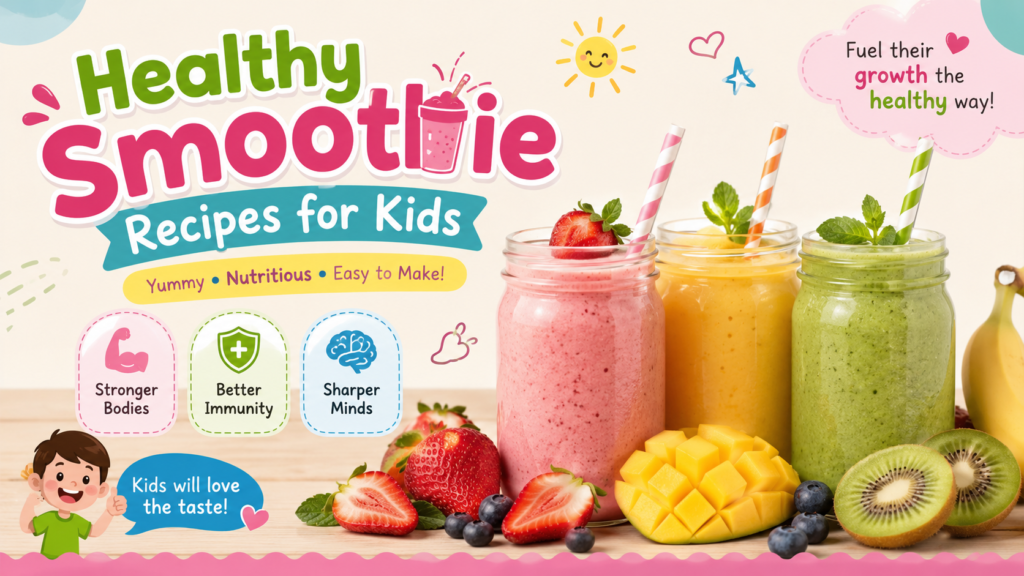
Getting children to eat healthy foods can sometimes feel like a daily challenge. One day they love bananas, and the next day they refuse to even look at them. This is where healthy smoothie recipes for kids can be a simple and enjoyable option.
Smoothies are easy to prepare, colourful, and can combine fruits, vegetables, dairy or dairy alternatives, and other nutritious ingredients in one glass. They can also be a fun way to introduce children to different flavours and textures.
But healthy doesn’t have to mean boring.
With the right ingredients, you can make smoothies that taste naturally sweet and creamy while still providing useful nutrients. Children can even help choose the ingredients and give their smoothie a fun name.
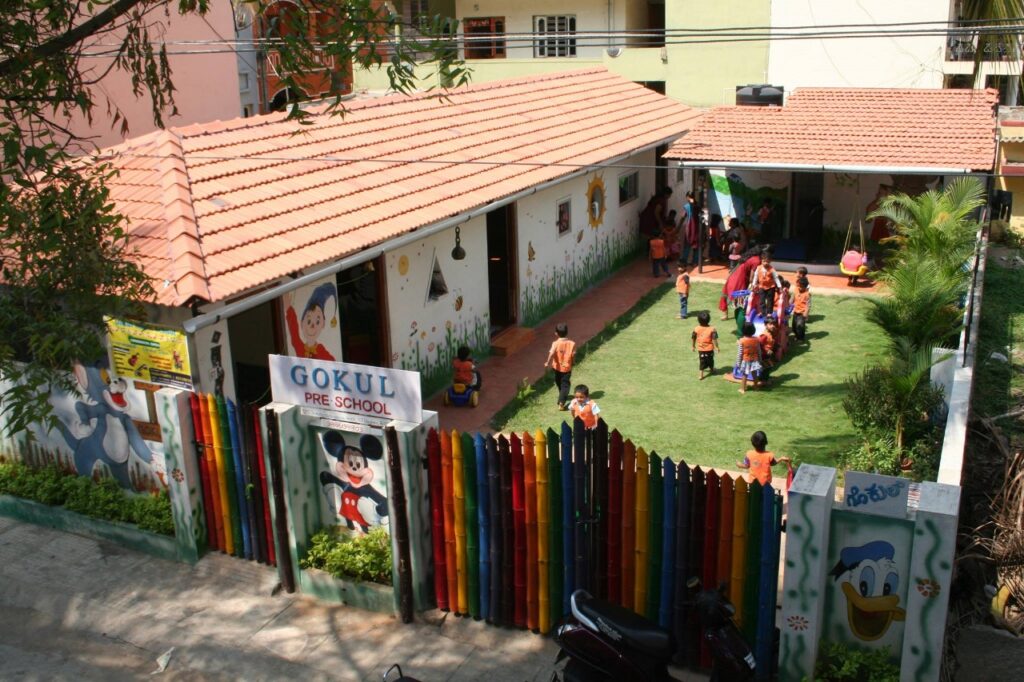
At Gokul Preschool in RT Nagar, we believe that healthy habits begin early. Along with learning, play, and social development, children benefit from understanding simple healthy choices as part of everyday life.
Let’s explore some easy smoothie ideas that parents can try at home.
- Why Are Smoothies Good for Kids?
- What Makes a Smoothie Healthy?
- 10 Easy Healthy Smoothie Recipes for Kids
- How to Make Smoothies More Nutritious
- Healthy Smoothies for Picky Eaters
- How Much Smoothie Should a Child Drink?
- When Is the Best Time to Give a Smoothie?
- Let Your Child Help Make the Smoothie
- Make Smoothie Time a Learning Activity
- Common Smoothie Mistakes Parents Should Avoid
- How Gokul Preschool Encourages Healthy Habits
- Healthy Smoothie Recipes for Kids FAQs
- Conclusion
Why Are Smoothies Good for Kids?
A well-balanced homemade smoothie can combine several nutritious foods into one easy-to-drink snack or breakfast option.
Depending on the ingredients you choose, a smoothie can provide:
- Fruits and vegetables
- Fibre
- Protein
- Calcium
- Healthy fats
- Vitamins and minerals
However, smoothies should be part of a balanced diet and should not replace a child’s regular meals all the time.
The goal is simple: make healthy food enjoyable, not stressful.
What Makes a Smoothie Healthy?
Not every smoothie is automatically healthy.
A smoothie can become less nutritious when it contains large amounts of added sugar, sweetened syrups, or processed drinks.
When preparing smoothies for children, try to focus on simple ingredients.
Choose Fresh Fruits
Bananas, mangoes, strawberries, apples, oranges, berries, and other fruits can add natural sweetness.
You often don’t need much extra sugar when the fruit is already ripe and sweet.
Add Vegetables
If your child isn’t interested in vegetables, adding a small amount to a smoothie can be one way to introduce new flavours.
Spinach, carrot, or cucumber can work well with fruits.
Start with small amounts and see what your child enjoys.
Include a Protein Source
Depending on your child’s dietary needs, ingredients such as plain yoghurt, milk, nut or seed butter, or oats can make a smoothie more filling.
Keep Added Sugar Low
Try not to make sugar the main source of sweetness.
Ripe fruits can provide plenty of flavour on their own.
10 Easy Healthy Smoothie Recipes for Kids
Here are some simple combinations parents can try. Adjust the ingredients and quantity according to your child’s age, preferences, and dietary needs.
1. Banana and Milk Smoothie
Bananas are naturally creamy and sweet, making them one of the easiest smoothie ingredients for children.
Ingredients:
- 1 ripe banana
- ½ to 1 cup milk
- A pinch of cinnamon, if desired
- A few ice cubes for older children
How to make it:
Blend everything until smooth and creamy.
Why kids may like it:
It has a naturally sweet flavour and a smooth texture.
2. Mango Yogurt Smoothie
Mango can make a smoothie naturally sweet and colourful.
Ingredients:
- ½ to 1 cup ripe mango
- ½ cup plain yoghurt
- A little milk or water
How to make it:
Blend the mango, yoghurt, and liquid until smooth.
Fun idea:
Call it the “Sunny Mango Smoothie.”
3. Strawberry Banana Smoothie
Strawberries and bananas make a classic combination.
Ingredients:
- 4–5 strawberries
- 1 small banana
- Plain yoghurt or milk
How to make it:
Wash the strawberries, add all ingredients to a blender, and blend until creamy.
This is a great option for children who enjoy fruity flavours.
4. Apple Cinnamon Smoothie
If your child enjoys apples, try this simple combination.
Ingredients:
- 1 small apple
- Plain yoghurt or milk
- A small pinch of cinnamon
How to make it:
Remove the apple core and blend the ingredients until smooth.
For younger children, make sure the apple is prepared appropriately and the smoothie has a safe texture.
5. Banana Spinach Smoothie
Want to introduce leafy greens?
Try combining a small amount of spinach with a naturally sweet fruit such as banana.
Ingredients:
- 1 banana
- A small handful of washed spinach
- Milk or plain yoghurt
How to make it:
Blend everything until smooth.
The banana helps create a naturally sweet flavour.
6. Berry Yogurt Smoothie
Berries can add colour and flavour to a simple smoothie.
Ingredients:
- A small handful of berries
- ½ cup plain yoghurt
- A little milk or water
How to make it:
Blend until smooth.
If using frozen berries, allow them to soften appropriately and ensure the final texture is suitable for your child.
7. Peanut Butter Banana Smoothie
For children who can safely eat peanuts, peanut butter can add flavour and protein.
Ingredients:
- 1 banana
- 1 teaspoon peanut butter
- Milk or plain yoghurt
How to make it:
Blend until creamy.
Important: If your child has a known food allergy, avoid the ingredient and follow your healthcare professional’s advice.
8. Oats and Banana Smoothie
Oats can make a smoothie thicker and more filling.
Ingredients:
- 1 banana
- 1–2 tablespoons oats
- Milk or yoghurt
- A pinch of cinnamon
How to make it:
Blend thoroughly until smooth.
This can be a convenient breakfast addition when paired with other appropriate foods.
9. Orange and Carrot Smoothie
This combination brings together fruit and vegetables.
Ingredients:
- Orange
- A small amount of carrot
- Plain yoghurt or water
How to make it:
Blend until smooth.
For younger children, make sure the mixture is thoroughly blended and appropriately prepared.
10. Watermelon Smoothie
On a warm day, watermelon can make a refreshing smoothie.
Ingredients:
- Fresh watermelon
- A little lemon juice, if desired
How to make it:
Blend the watermelon until smooth and serve fresh.
There’s no need to add sugar because watermelon is naturally sweet.
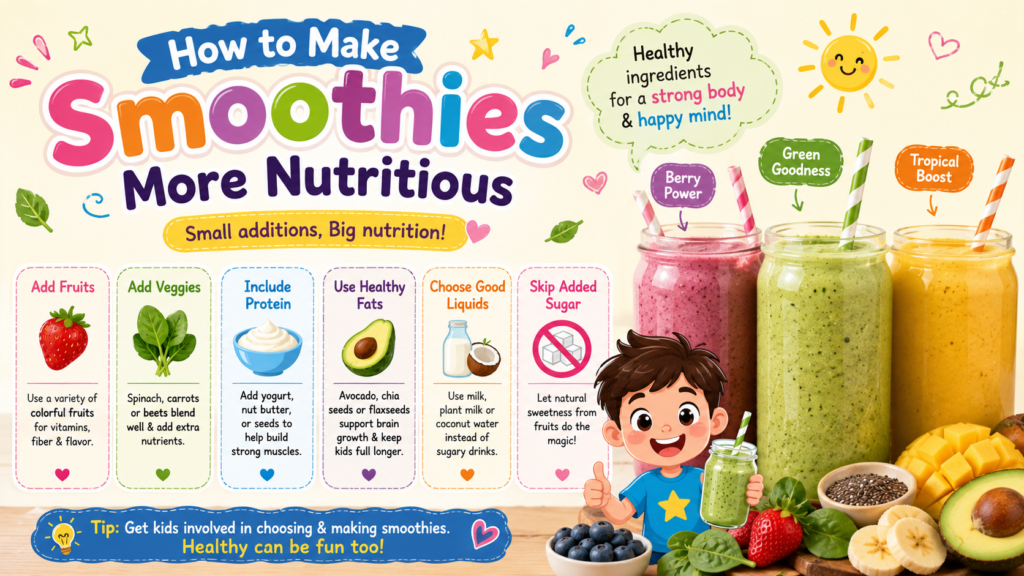
How to Make Smoothies More Nutritious
You don’t need to put every healthy ingredient you can find into one blender.
In fact, keeping things simple is often better.
Add Plain Yogurt
Plain yoghurt can add creaminess and protein while also helping create a thicker texture.
Add Oats
A small amount of oats can provide fibre and make the smoothie more filling.
Try Nut or Seed Butter
For children who can safely consume them, nut or seed butters can add flavour and healthy fats.
Use Chia or Ground Flax Seeds
A small amount can be added to smoothies, but introduce new foods appropriately and consider your child’s age and dietary needs.
For young children, whole seeds and nuts can present choking risks, so preparation matters.
Healthy Smoothies for Picky Eaters
Does your child say “No!” every time you offer vegetables?
You’re not alone.
Smoothies can sometimes make new foods less intimidating because familiar fruits can soften unfamiliar flavours.
For example:
Banana + a little spinach + yoghurt
can be an easier introduction to greens than serving spinach by itself.
But don’t feel the need to hide every vegetable from your child.
It’s also helpful to let children see, touch, smell, and taste different foods so they gradually become familiar with them.
How Much Smoothie Should a Child Drink?
More isn’t always better.
Smoothies can be filling, especially when they contain yoghurt, oats, nut butter, or other substantial ingredients.
The appropriate portion depends on your child’s age, appetite, activity level, and overall diet.
Instead of treating a smoothie as an unlimited drink, serve a sensible child-sized portion and continue offering a variety of whole foods.
For specific nutritional needs or concerns, speak with your child’s pediatrician or a qualified dietitian.
When Is the Best Time to Give a Smoothie?
There isn’t one perfect time for every child.
You could offer a homemade smoothie as:
- Part of breakfast
- A snack
- A post-play refreshment
- An occasional afternoon drink
However, avoid allowing children to continuously sip sweet drinks throughout the day. Regular meals and whole fruits should remain important parts of their diet.
Let Your Child Help Make the Smoothie
Here’s a simple trick that can make healthy food more exciting:
Let your child participate.
Depending on their age, they can:
- Choose the fruit
- Wash suitable ingredients
- Add ingredients with supervision
- Count strawberries
- Pick the smoothie cup
- Choose a fun name
For example:
🍌 Banana + 🍓 Strawberry = “Superhero Smoothie”
🥭 Mango + 🥛 Yogurt = “Sunny Smoothie”
🍉 Watermelon = “Summer Splash”
When children participate in preparing food, they may become more interested in trying it.
Make Smoothie Time a Learning Activity
Healthy food can also become an opportunity for learning.
Parents can ask simple questions such as:
“What colour is the strawberry?”
“How many banana pieces do we have?”
“Which fruit is bigger?”
“What does the smoothie smell like?”
These simple conversations can support vocabulary, counting, observation, and sensory exploration.
Common Smoothie Mistakes Parents Should Avoid
Adding Too Much Sugar
If the smoothie already contains sweet fruits, additional sugar may not be necessary.
Try enjoying the natural sweetness of the ingredients.
Using Sweetened Packaged Juices
Fresh fruit, milk, plain yoghurt, or water can often be simpler choices than sugary packaged juices.
Adding Too Many Ingredients
A smoothie doesn’t need ten ingredients to be nutritious.
Start with two or three familiar ingredients and experiment gradually.
Replacing Every Meal With Smoothies
Smoothies can be useful, but children also need a variety of textures and foods.
Encourage balanced meals that include appropriate whole foods.
Forgetting Food Allergies
Always consider known allergies and intolerances before introducing ingredients such as milk, peanuts, tree nuts, or other common allergens.
How Gokul Preschool Encourages Healthy Habits
At Gokul Preschool in RT Nagar, we understand that early childhood is an important time for building positive habits.
Children learn through everyday experiences, conversations, play, and observation.
Simple activities related to food can help children learn about:
- Different fruits and vegetables
- Colours and shapes
- Healthy choices
- Hygiene
- Sharing
- Independence
We believe these small experiences can help children develop a positive relationship with learning and everyday routines.
Parents searching for a preschool in RT Nagar can look for an environment that supports the whole child—not just classroom learning.
Healthy Smoothie Recipes for Kids FAQs
Are smoothies healthy for kids?
Homemade smoothies can be a nutritious option when made with whole ingredients such as fruits, vegetables, plain yoghurt, milk, oats, or suitable nut and seed butters. They should be part of a balanced diet.
What is the easiest smoothie for children?
A banana and yoghurt or banana and milk smoothie is a simple starting point because bananas provide natural sweetness and a creamy texture.
Can I add vegetables to my child’s smoothie?
Yes. Small amounts of vegetables such as spinach or carrot can be combined with naturally sweet fruits. Introduce new foods gradually and consider your child’s individual dietary needs.
Should I add sugar to a children’s smoothie?
Often, you don’t need to. Ripe fruits such as bananas and mangoes can provide natural sweetness. Keeping added sugar low is generally a good approach.
Can smoothies replace breakfast for kids?
A smoothie can be part of breakfast, but children generally benefit from eating a variety of foods and textures. A balanced breakfast should not rely entirely on smoothies.
Are smoothies good for picky eaters?
Smoothies may help introduce flavours such as fruits or small amounts of vegetables in a familiar form. However, children should also be encouraged to explore whole foods and different textures.
Can preschool children drink homemade smoothies?
Yes, appropriately prepared homemade smoothies can be included in a preschool child’s diet. Ingredients and portions should be suitable for the child’s age and dietary needs.
What should parents check before giving a smoothie to a child?
Parents should consider food allergies, age-appropriate textures, ingredients, portion size, and the child’s overall diet. When in doubt about a specific nutritional need, consult a pediatrician or dietitian.
Conclusion
Healthy smoothies can be a fun way to introduce children to different fruits, vegetables, and nutritious ingredients.
The best recipes don’t need to be complicated. A banana and yoghurt, mango and milk, or strawberry and banana can be enough to make a tasty homemade drink.
Remember to:
- Choose simple ingredients
- Keep added sugar low
- Offer age-appropriate portions
- Consider allergies
- Introduce new foods gradually
- Continue offering whole foods
- Let children participate
Most importantly, don’t turn healthy eating into a battle.
Give your child opportunities to explore food at their own pace, make mealtimes enjoyable, and celebrate small steps.
At Gokul Preschool in RT Nagar, we believe that happy learning extends beyond the classroom. Helping children develop healthy habits, curiosity, confidence, and independence can give them a strong foundation for the years ahead.