How to Know if a Preschool Is Safe
When choosing a preschool, colorful classrooms and fun activities may catch your attention first. However, before thinking about the curriculum, facilities, or location, parents should ask one important question:
“Is this preschool truly safe for my child?”
A safe preschool gives children the confidence to explore, learn, and play without unnecessary risks. It also gives parents peace of mind knowing their child is in a secure and caring environment every day.
But how can you tell if a preschool is genuinely safe? Is it enough to see CCTV cameras or locked gates?
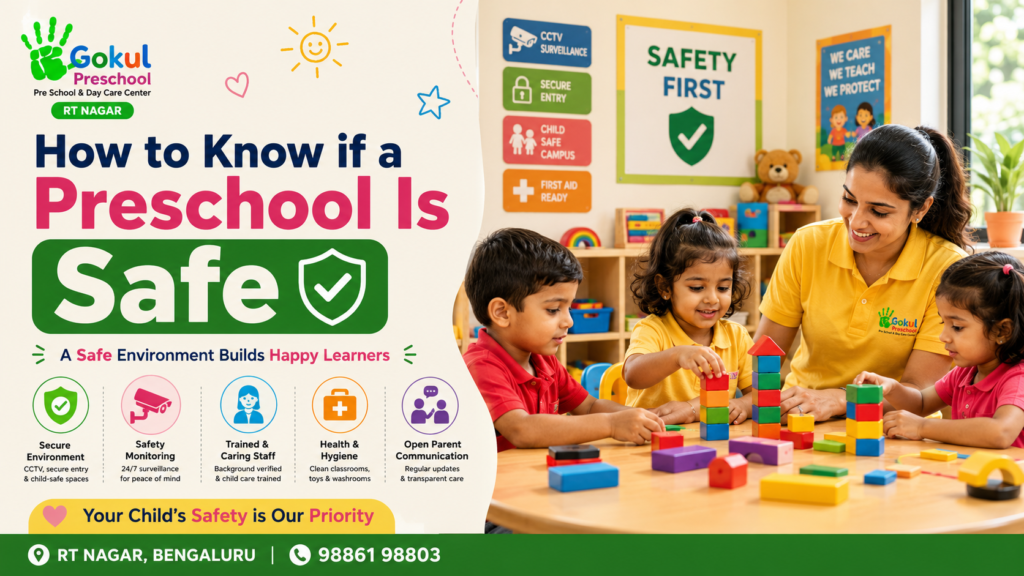
The answer is no. Safety goes far beyond security systems. It includes trained teachers, child-friendly classrooms, hygiene practices, emergency preparedness, supervision, and a nurturing atmosphere where children feel emotionally safe as well.
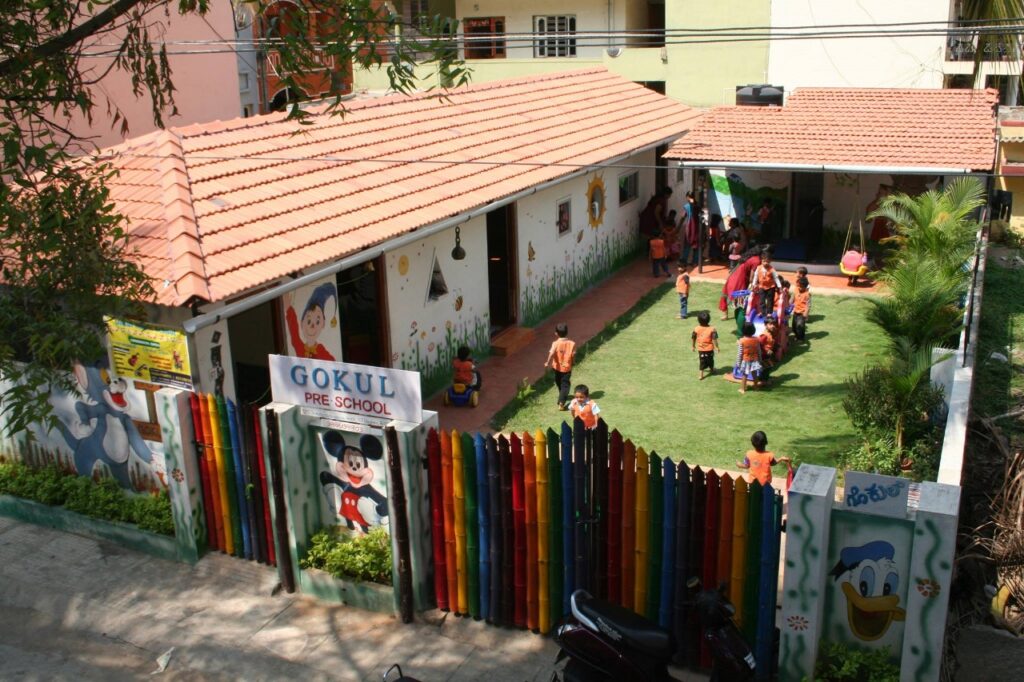
At Gokul Preschool in RT Nagar, we believe every child deserves a secure environment where they can learn, play, and grow with confidence. In this guide, we’ll help you identify the signs of a truly safe preschool before making your admission decision.
Why Preschool Safety Matters
Young children are naturally curious. They love exploring, running, climbing, asking questions, and trying new things.
Because of this, a preschool must provide an environment where children can explore safely while receiving proper guidance and supervision.
A safe preschool helps children:
- Feel confident and secure
- Learn without fear
- Build trust with teachers
- Develop independence
- Enjoy coming to school
Parents also feel more comfortable knowing their child is protected throughout the day.
- Why Preschool Safety Matters
- Start With the School Entrance
- Observe the Classrooms
- Check Teacher Supervision
- Ask About the Teacher-to-Child Ratio
- Look for Child-Friendly Furniture
- Check Hygiene Standards
- Ask About Emergency Preparedness
- Observe the Outdoor Play Area
- Check the Washrooms
- Emotional Safety Is Just as Important
- Ask About Health Policies
- Notice How the Children Behave
- Read Google Reviews and Speak With Parents
- Questions Every Parent Should Ask About Preschool Safety
- Warning Signs You Shouldn't Ignore
- Why Families Trust Gokul Preschool in RT Nagar
- How to Know if a Preschool Is Safe FAQs
- Conclusion
Start With the School Entrance
The first thing to observe is how secure the preschool entrance is.
A good preschool should have:
- Controlled entry and exit points
- Secure gates or doors
- Visitor check-in procedures
- Staff supervision during arrival and departure
- Safe pick-up and drop-off processes
Children should never be able to leave the campus without proper supervision.
Observe the Classrooms
Take a close look around the classroom.
Ask yourself:
- Is the room clean and organized?
- Are the tables and chairs child-sized?
- Do furniture edges appear safe?
- Are electrical outlets covered?
- Are learning materials stored properly?
A well-maintained classroom reduces the risk of accidents and helps children move around safely.
Check Teacher Supervision
Children should never be left unattended.
During your visit, notice:
- Are teachers actively interacting with children?
- Are they watching the classroom carefully?
- Do they respond quickly when children need help?
- Do children appear comfortable approaching them?
Good supervision prevents accidents and helps children feel secure.
Ask About the Teacher-to-Child Ratio
A smaller teacher-to-child ratio usually means children receive more attention.
Ask questions such as:
- How many children are in each class?
- How many teachers or assistants supervise them?
- Is additional support available during activities?
When teachers can give individual attention, children stay safer and receive better care.
Look for Child-Friendly Furniture
Everything inside the classroom should be designed for young learners.
Safe classrooms include:
- Rounded furniture edges
- Stable shelves
- Non-slip flooring
- Child-sized tables and chairs
- Safe storage for supplies
Children should be able to move around comfortably without unnecessary hazards.
Check Hygiene Standards
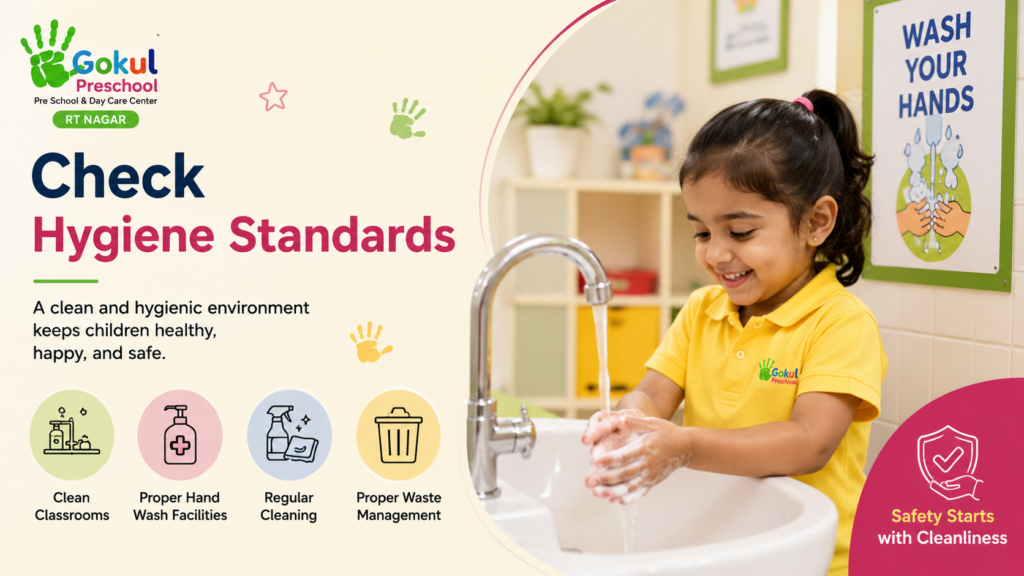
Cleanliness plays a major role in preschool safety.
Observe whether the preschool maintains:
- Clean classrooms
- Sanitized toys
- Hygienic washrooms
- Safe drinking water
- Regular handwashing routines
- Daily cleaning schedules
Healthy environments reduce the spread of illness and keep children comfortable.
Ask About Emergency Preparedness
While emergencies are rare, every preschool should be prepared.
Ask questions such as:
- Do you have emergency evacuation procedures?
- Are teachers trained to handle emergencies?
- Is first aid available on campus?
- How are parents informed during emergencies?
Prepared schools can respond quickly and effectively when needed.
Observe the Outdoor Play Area
Outdoor play is essential for children’s development, but it should also be safe.
Look for:
- Soft play surfaces
- Well-maintained equipment
- Secure fencing
- Teacher supervision
- Age-appropriate play structures
Outdoor spaces should encourage active play while minimizing risks.
Check the Washrooms
Washrooms should be designed specifically for young children.
Look for:
- Clean facilities
- Child-sized toilets
- Proper ventilation
- Easy access
- Regular cleaning
A hygienic washroom reflects the preschool’s overall commitment to safety.
Emotional Safety Is Just as Important
Safety isn’t only about preventing physical injuries.
Children should also feel emotionally secure.
Observe whether teachers:
- Speak kindly
- Encourage children
- Listen patiently
- Comfort upset children
- Respect every child
Children learn best when they feel accepted, valued, and supported.
Ask About Health Policies
A responsible preschool should have clear health procedures.
Questions to ask include:
- What happens if a child becomes unwell?
- How do you handle minor injuries?
- Do you have illness guidelines?
- How are parents informed about health concerns?
Clear policies help protect all children.
Notice How the Children Behave
One of the easiest ways to judge a preschool is to watch the children already attending.
Do they appear:
- Happy?
- Relaxed?
- Confident?
- Comfortable with teachers?
- Actively engaged?
Children who feel safe usually participate confidently and enjoy their environment.
Read Google Reviews and Speak With Parents
Current parents can provide valuable insights into a preschool’s safety practices.
Ask about:
- Daily supervision
- Teacher responsiveness
- Communication during emergencies
- Hygiene
- Overall confidence in the preschool
Online reviews can also help you identify consistent strengths.
Questions Every Parent Should Ask About Preschool Safety
During your visit, consider asking:
How do you ensure children’s safety throughout the day?
This helps you understand supervision practices.
Are all staff trained in first aid?
First-aid knowledge is essential for handling minor emergencies.
How are visitors managed?
Secure visitor policies help protect children.
How do you communicate with parents during emergencies?
Clear communication builds trust.
How often is play equipment inspected?
Regular maintenance keeps equipment safe for everyday use.
Warning Signs You Shouldn’t Ignore
Be cautious if you notice:
- Poor supervision
- Dirty classrooms
- Broken furniture
- Unsafe playground equipment
- Overcrowded classrooms
- Unfriendly teacher interactions
- Weak security at entrances
These may indicate that the preschool needs improvement in safety practices.
Why Families Trust Gokul Preschool in RT Nagar
At Gokul Preschool in RT Nagar, the safety and well-being of every child is our highest priority.
Our preschool offers:
- Safe and secure campus access
- Caring and experienced teachers
- Child-friendly classrooms
- Regular hygiene and cleaning practices
- Age-appropriate learning and play equipment
- Continuous supervision during activities
- Strong communication with parents
We believe children learn best when they feel protected, supported, and encouraged every day.
Families looking for a safe preschool in RT Nagar choose Gokul Preschool because we provide a nurturing environment where children can confidently explore, play, and grow.
How to Know if a Preschool Is Safe FAQs
What should I check when visiting a preschool for safety?
Look at classroom cleanliness, teacher supervision, secure entrances, playground safety, hygiene standards, and emergency preparedness.
Is CCTV enough to make a preschool safe?
No. CCTV is helpful, but true safety also includes trained teachers, proper supervision, hygiene, secure access, and child-friendly facilities.
How important is the teacher-to-child ratio?
A lower teacher-to-child ratio allows for better supervision, more individual attention, and a safer learning environment.
Should I ask about emergency procedures?
Yes. Every preschool should have clear emergency plans, first-aid support, and a process for communicating with parents.
Which preschool in RT Nagar prioritizes child safety?
Gokul Preschool in RT Nagar provides a safe, secure, and nurturing environment with caring teachers, child-friendly classrooms, and strong safety practices to support every child’s well-being.
Conclusion
A safe preschool is much more than a building with locked gates. It’s a place where children are physically protected, emotionally supported, and cared for by dedicated educators.
Before making your decision, take time to:
- Visit the preschool
- Observe the classrooms
- Meet the teachers
- Ask detailed questions
- Watch how children interact
- Evaluate hygiene and safety practices
When you choose a preschool that prioritizes safety, you’re giving your child the best possible environment to begin their learning journey.
At Gokul Preschool in RT Nagar, we are committed to creating a secure, caring, and child-friendly environment where every child can learn with confidence and joy.