What Does a Good Preschool Classroom Look Like?
When parents visit a preschool, one of the first things they notice is the classroom. Bright walls, colorful toys, and cheerful decorations can certainly make a good first impression—but a truly great preschool classroom is much more than what you see at first glance.
A good preschool classroom is designed to help children feel safe, comfortable, curious, and excited to learn. Every corner of the room should encourage exploration, creativity, social interaction, and independence.
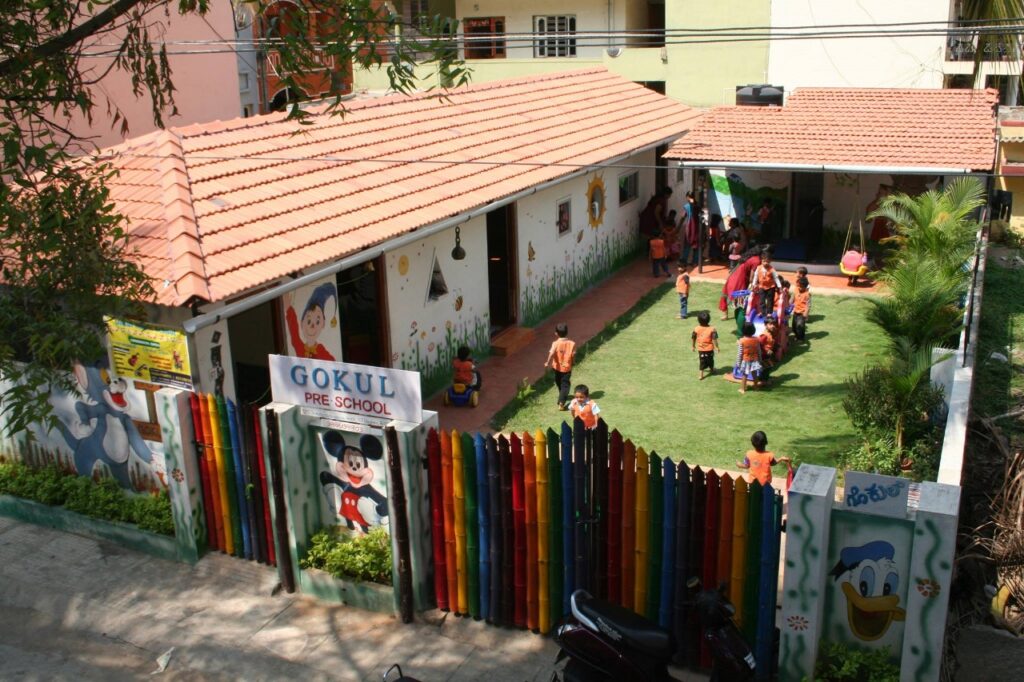
At Gokul Preschool in RT Nagar, we believe that the classroom is often called the “third teacher” because the environment itself plays a big role in a child’s learning and development. A thoughtfully designed classroom helps children build confidence, develop new skills, and enjoy coming to school every day.
In this blog, we’ll explore what a good preschool classroom looks like and what parents should observe during a school visit.
Why the Classroom Environment Matters
Children spend several hours each day inside their preschool classroom.
This is where they:
- Learn new concepts
- Make friends
- Build confidence
- Solve problems
- Express creativity
- Develop independence
A well-designed classroom supports every aspect of a child’s growth and creates a positive learning experience.
- Why the Classroom Environment Matters
- A Safe and Secure Space
- Bright, Clean, and Welcoming
- Child-Sized Furniture
- Learning Through Different Activity Areas
- Plenty of Learning Materials
- Children's Work Is Displayed
- Space for Movement
- Organized and Easy to Navigate
- Learning Through Play
- Warm and Caring Teacher Interactions
- Encourages Independence
- Clean and Hygienic Environment
- Outdoor Learning Opportunities
- Technology Is Used Carefully
- Questions Parents Should Ask During a Classroom Visit
- Signs You've Found a Great Preschool Classroom
- Why Parents Love the Classrooms at Gokul Preschool in RT Nagar
- What Does a Good Preschool Classroom Look Like FAQs
- Conclusion
A Safe and Secure Space
Safety should always be the first priority.
A good preschool classroom should have:
- Child-safe furniture with rounded edges
- Clean and non-slip flooring
- Secure electrical outlets
- Well-maintained learning materials
- Safe storage for supplies
- Clear emergency exits
Children should be able to explore freely without unnecessary risks.
A safe environment also helps parents feel confident about leaving their child at school.
Bright, Clean, and Welcoming
A preschool classroom should feel inviting from the moment you walk in.
Look for:
- Bright natural lighting
- Good ventilation
- Clean floors and furniture
- Organized shelves
- Cheerful displays
- Comfortable learning spaces
A clean and welcoming environment helps children feel relaxed and ready to learn.
Child-Sized Furniture
Everything in the classroom should be designed for young children.
This includes:
- Small tables and chairs
- Low shelves
- Easy-to-reach learning materials
- Child-friendly storage
When children can access materials independently, they become more confident and responsible.
Learning Through Different Activity Areas
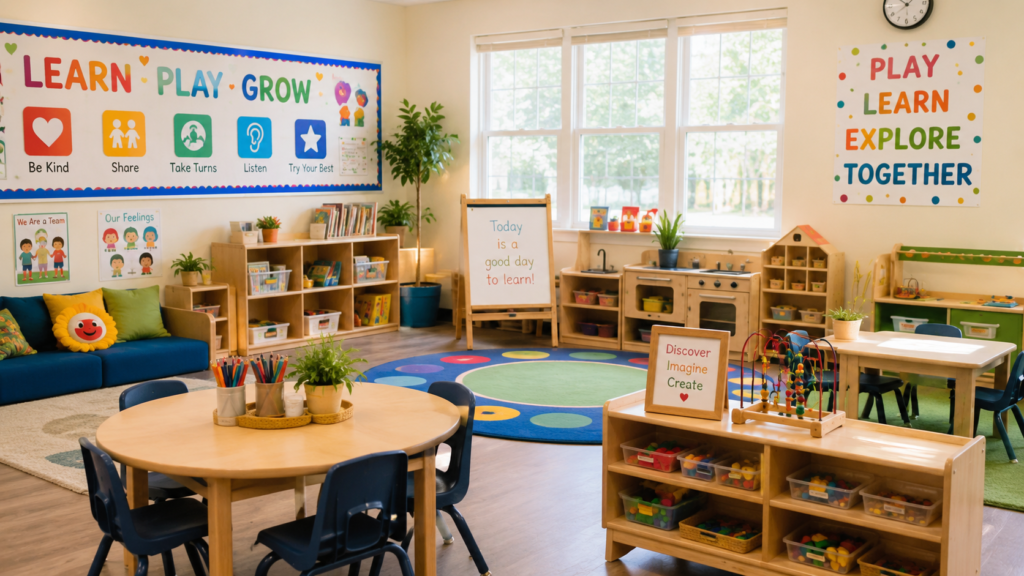
Rather than having one large open room, a good preschool classroom often has different learning zones.
These may include:
Reading Corner
A cozy space filled with age-appropriate books encourages language development and a love for reading.
Art and Creativity Area
Children should have opportunities to:
- Draw
- Paint
- Color
- Create crafts
Creative activities encourage imagination and self-expression.
Building and Construction Area
Blocks, puzzles, and construction toys help children develop:
- Problem-solving skills
- Creativity
- Fine motor skills
- Spatial awareness
Pretend Play Corner
Role-playing activities such as pretend kitchens, shops, or doctor sets help children:
- Build communication skills
- Develop social understanding
- Strengthen imagination
Sensory Play Area
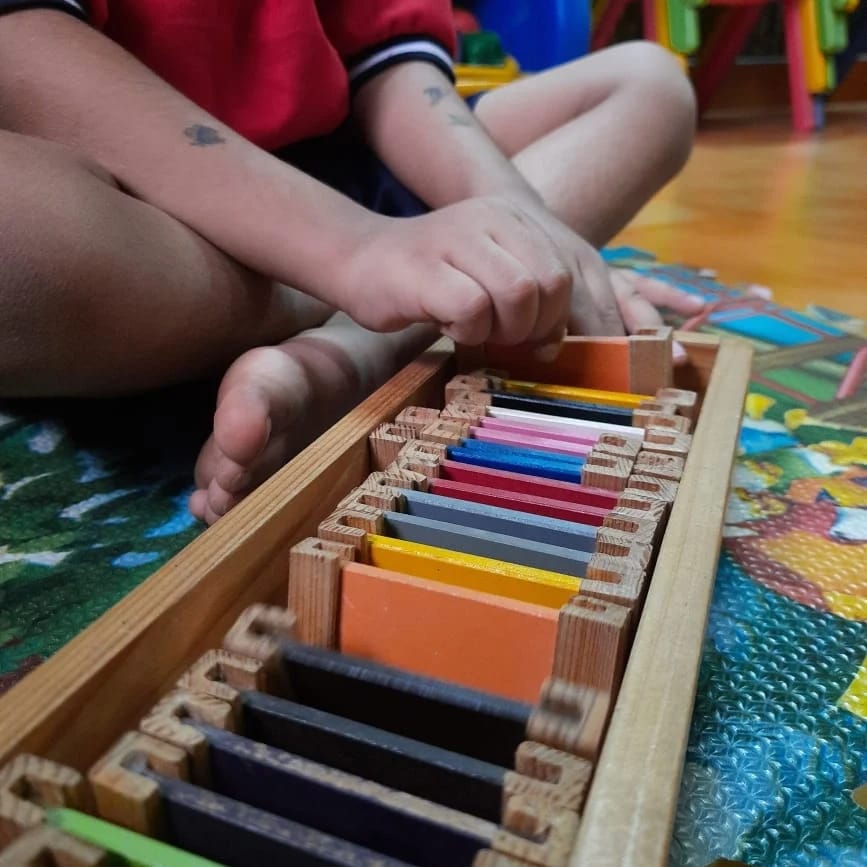
Activities involving sand, water, clay, or textured materials help children explore using their senses while improving fine motor development.
Plenty of Learning Materials
A quality preschool classroom includes age-appropriate resources such as:
- Picture books
- Building blocks
- Puzzles
- Counting materials
- Shape sorters
- Alphabet games
- Musical instruments
These materials should be easily accessible and regularly rotated to maintain children’s interest.
Children’s Work Is Displayed
One sign of a child-centered classroom is seeing children’s artwork and projects displayed on the walls.
Displaying children’s work:
- Builds confidence
- Encourages creativity
- Shows that every child’s effort is valued
A classroom should celebrate children’s achievements rather than simply displaying decorative posters.
Space for Movement
Young children learn through movement.
A good classroom provides enough space for:
- Circle time
- Dance
- Music activities
- Group games
- Free movement
Children should not feel crowded or restricted.
Organized and Easy to Navigate
Everything should have a place.
Children should easily know where to:
- Find books
- Return toys
- Store bags
- Access learning materials
An organized environment helps children develop independence and responsibility.
Learning Through Play
One of the biggest signs of a quality preschool classroom is that children are actively learning while playing.
You may see children:
- Building towers
- Painting
- Singing
- Listening to stories
- Solving puzzles
- Playing with friends
Learning should feel enjoyable rather than stressful.
Warm and Caring Teacher Interactions
The classroom isn’t just about furniture and toys.
Observe how teachers interact with children.
Ask yourself:
- Do teachers smile and encourage children?
- Do they speak respectfully?
- Do they listen patiently?
- Do children seem comfortable asking questions?
Positive teacher-child relationships create a supportive learning environment.
Encourages Independence
A great preschool classroom helps children do simple tasks on their own.
Children should be encouraged to:
- Choose activities
- Put away toys
- Wash their hands
- Carry their own belongings
- Make simple decisions
These experiences build confidence and life skills.
Clean and Hygienic Environment
Children explore everything with their hands, making cleanliness essential.
Look for:
- Sanitized toys
- Clean washrooms
- Safe drinking water
- Regular cleaning routines
- Good handwashing practices
A hygienic classroom supports children’s health and well-being.
Outdoor Learning Opportunities
Although the classroom is important, learning shouldn’t stay indoors all day.
A quality preschool also provides access to:
- Outdoor play areas
- Nature exploration
- Physical activities
- Group games
Outdoor experiences help children stay active and develop motor skills.
Technology Is Used Carefully
Technology can support learning, but it should never replace hands-on experiences.
A good preschool prioritizes:
- Real conversations
- Creative play
- Storytelling
- Physical activities
- Group interaction
Children learn best through direct experiences during their early years.
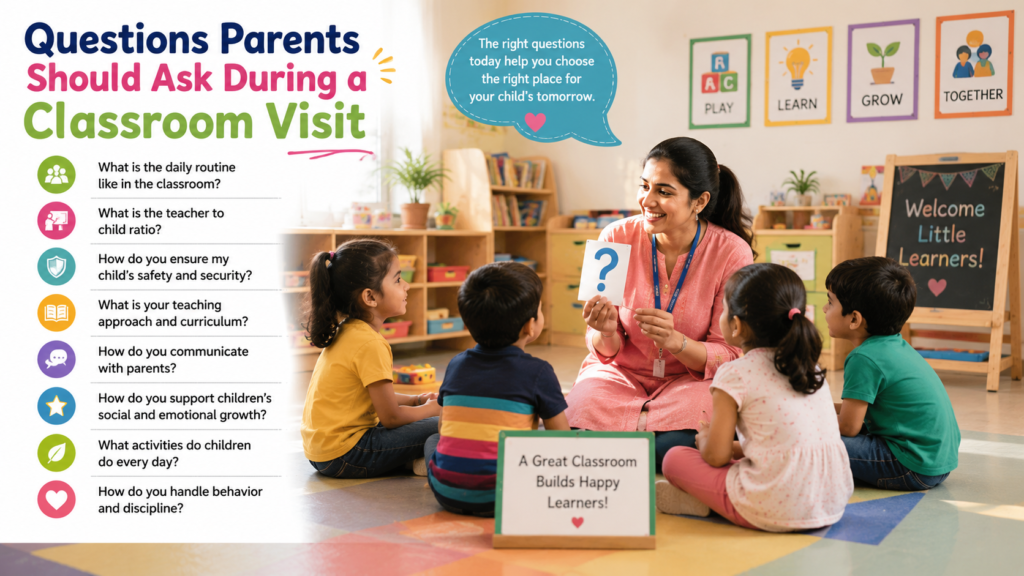
Questions Parents Should Ask During a Classroom Visit
When visiting a preschool, ask:
How are classroom activities planned?
Daily activities should balance learning, creativity, and play.
How often are learning materials updated?
Fresh activities keep children engaged and curious.
How do teachers encourage shy children?
Every child deserves opportunities to participate confidently.
How is classroom safety maintained?
Understand supervision, emergency procedures, and hygiene practices.
How do children spend a typical day?
Request a daily schedule to understand classroom routines.
Signs You’ve Found a Great Preschool Classroom
A quality classroom is one where:
- Children look happy and engaged.
- Teachers interact warmly with every child.
- Learning happens through play.
- The room is clean, organized, and safe.
- Children have opportunities to explore independently.
- Creativity is encouraged every day.
If you notice these qualities, you’re likely looking at a child-friendly learning environment.
Why Parents Love the Classrooms at Gokul Preschool in RT Nagar
At Gokul Preschool in RT Nagar, we’ve designed every classroom to support children’s curiosity, creativity, and confidence.
Our classrooms feature:
- Safe and child-friendly furniture
- Bright, clean, and organized learning spaces
- Play-based learning zones
- Interactive educational materials
- Reading and creative corners
- Caring and experienced teachers
- Regular hygiene and safety practices
We believe every classroom should inspire children to explore, imagine, and enjoy learning every single day.
Families looking for a trusted preschool in RT Nagar appreciate our thoughtfully designed classrooms that promote learning, independence, and happiness.
What Does a Good Preschool Classroom Look Like FAQs
What should a preschool classroom have?
A preschool classroom should include child-safe furniture, learning materials, activity areas, books, creative resources, and enough space for play and movement.
Why is classroom design important in preschool?
A well-designed classroom helps children feel safe, supports independent learning, encourages creativity, and improves social interaction.
Should preschool classrooms focus on play?
Yes. Play-based learning helps children develop communication, creativity, problem-solving, motor skills, and confidence.
How can parents evaluate a preschool classroom?
Observe cleanliness, safety, teacher interactions, learning materials, child engagement, and whether the classroom encourages exploration and independence.
Which preschool in RT Nagar offers child-friendly classrooms?
Gokul Preschool in RT Nagar provides safe, engaging, and play-based classrooms designed to support every child’s overall growth and development.
Conclusion
A good preschool classroom is much more than colorful decorations. It’s a carefully planned environment where children feel safe, respected, and excited to discover new things.
When visiting a preschool, look beyond appearances and focus on what truly matters:
- Safety
- Caring teachers
- Cleanliness
- Play-based learning
- Child-friendly furniture
- Organized learning spaces
- Opportunities for creativity and independence
The right classroom helps children develop confidence, curiosity, and a lifelong love for learning.
At Gokul Preschool in RT Nagar, we are proud to provide classrooms that encourage every child to learn through exploration, creativity, and joyful experiences in a safe and nurturing environment.