Playschool vs Preschool
Understanding the Difference for Your Child
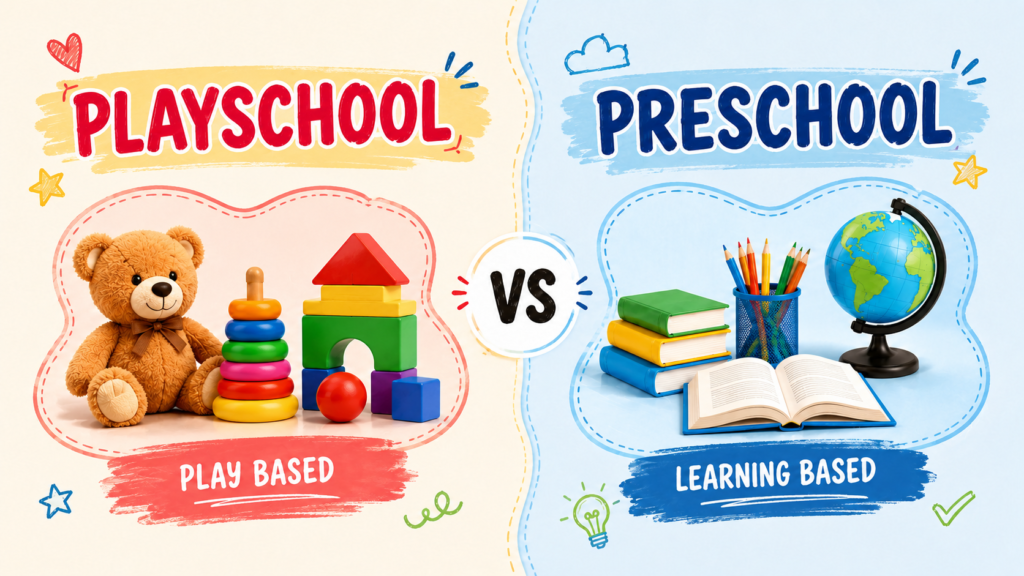
Choosing the right early education program for your child can sometimes feel confusing for parents. Terms like Playschool vs Preschool are often used interchangeably, but they are not exactly the same.
Both playschool and preschool help children learn and grow during their early years, but they focus on different stages of development and learning experiences.
Understanding the difference between a playschool and a preschool can help parents choose the best option based on their child’s age, needs, and readiness.
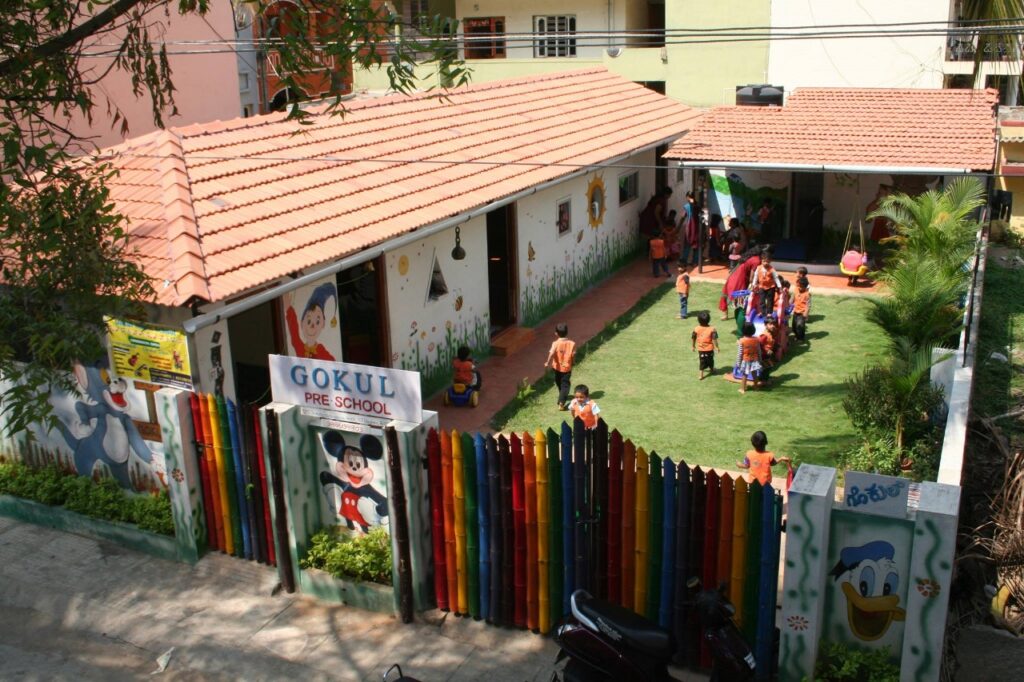
At Gokul Preschool in RT Nagar, we help parents understand each stage of early childhood education and provide a nurturing environment where children can learn with confidence and happiness.
In this blog, we will explain the differences between Playschool vs Preschool, their benefits, and how to choose the right option for your child.
- What Is a Playschool?
- What Is a Preschool?
- Main Difference Between Playschool and Preschool
- Benefits of Playschool
- Benefits of Preschool
- How to Decide Between Playschool and Preschool
- Importance of Early Childhood Education
- Play-Based Learning in Early Education
- Playschool and Preschool Programs at Gokul Preschool in RT Nagar
- Common Mistakes Parents Should Avoid
- Playschool vs Preschool FAQs
- Conclusion
What Is a Playschool?
A playschool is usually the first step in a child’s learning journey.
It is designed for very young children, generally between 1.5 to 3 years old.
The main focus of a playschool is to help children:
- Feel comfortable away from home
- Develop social interaction
- Learn through play
- Improve communication skills
- Explore basic activities
In playschool, learning happens mostly through:
- Free play
- Music and rhymes
- Storytelling
- Art and craft
- Group activities
The environment is relaxed, playful, and focused on helping children adjust to a classroom setting.
What Is a Preschool?
A preschool is the next stage after playschool.
It is usually meant for children between 2.5 to 5 years old.
Preschool focuses on preparing children for formal schooling while still using fun and activity-based learning methods.
Preschools help children develop:
- Early literacy skills
- Basic math concepts
- Communication abilities
- Social and emotional skills
- Classroom discipline and routines
Activities in preschool are more structured compared to playschool.
Children participate in:
- Learning activities
- Group discussions
- Phonics and language activities
- Creative projects
- Outdoor and indoor games
Preschool helps children build a strong foundation for kindergarten and primary school.
Main Difference Between Playschool and Preschool
Although both focus on early childhood development, there are some important differences.
Age Group
Playschool
Usually for children aged 1.5 to 3 years.
Preschool
Usually for children aged 2.5 to 5 years.
Learning Approach
Playschool
Focuses mainly on play, social interaction, and emotional comfort.
Preschool
Focuses on school readiness, structured learning, and overall development.
Classroom Structure
Playschool
Less structured and more flexible.
Preschool
More organized routines and guided learning activities.
Educational Goals
Playschool
Helps children adjust to being around teachers and other children.
Preschool
Prepares children for formal education and kindergarten.
Benefits of Playschool
Playschool offers many advantages for young children.
Builds Social Skills
Children learn how to:
- Share toys
- Take turns
- Interact with others
Reduces Separation Anxiety
Children slowly become comfortable staying away from parents.
Encourages Creativity
Activities like music, dance, and art improve imagination.
Improves Communication
Children begin speaking and expressing themselves confidently.
Supports Emotional Development
A caring environment helps children feel safe and secure.
Benefits of Preschool
Preschool helps children prepare for future academic learning.
Develops Early Learning Skills
Children learn:
- Alphabets
- Numbers
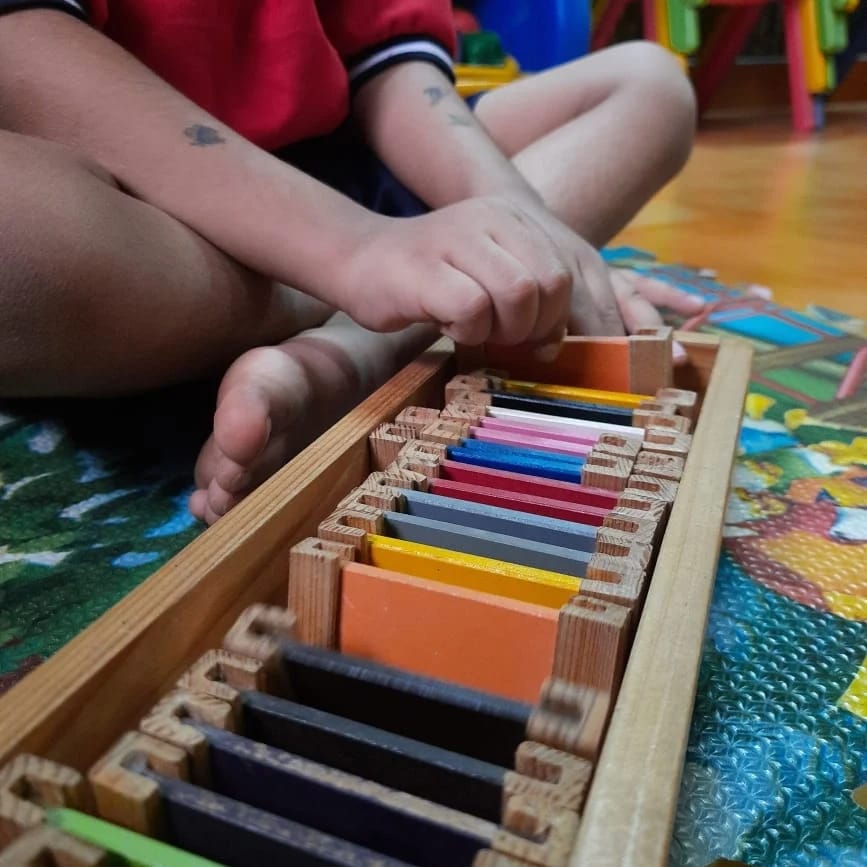
- Shapes and colors
- Simple writing skills
Improves Concentration
Structured activities help children improve focus and listening skills.
Encourages Independence
Children learn routines and basic self-care activities.
Builds Confidence
Participating in classroom activities increases self-confidence.
Prepares Children for School
Preschool helps children transition smoothly into kindergarten and formal education.
How to Decide Between Playschool and Preschool
The right choice depends on your child’s age and readiness.
Choose Playschool If:
- Your child is very young
- Your child has not spent much time away from home
- You want your child to develop social skills first
- You want a playful and relaxed environment
Choose Preschool If:
- Your child is ready for structured learning
- Your child can follow simple instructions
- You want to prepare your child for kindergarten
- Your child enjoys group activities and communication
Importance of Early Childhood Education
Both playschool and preschool play an important role in a child’s development.
Early education helps children develop:
- Communication skills
- Emotional confidence
- Creativity
- Social interaction
- Learning readiness
Research shows that children who attend quality early education programs often adjust better to school and develop stronger learning habits later in life.
Play-Based Learning in Early Education
One thing common in both playschool and preschool is play-based learning.
Children learn best through activities that are fun and interactive.
Play-based learning helps children:
- Explore ideas
- Solve problems
- Build confidence
- Learn naturally without pressure
That is why modern early education focuses more on activities and interaction rather than memorization.
Playschool and Preschool Programs at Gokul Preschool in RT Nagar
At Gokul Preschool in RT Nagar, we provide age-appropriate learning programs that support every stage of early childhood development.
Our programs focus on:
- Play-based learning
- Communication skills
- Creativity and imagination
- Emotional and social growth
- School readiness
We provide a safe, caring, and engaging environment where children can:
- Learn confidently
- Explore freely
- Build friendships
- Enjoy learning experiences
Parents looking for a trusted preschool in RT Nagar choose Gokul Preschool because we focus on holistic child development through fun and meaningful learning activities.
Common Mistakes Parents Should Avoid
While choosing between Playschool vs Preschool, parents should avoid:
Comparing Children
Every child develops at a different pace.
Focusing Only on Academics
Young children need emotional and social development too.
Ignoring Child Comfort
Children learn better when they feel happy and secure.
Choosing Based Only on Fees
Quality teaching and care are more important than low fees alone.
Playschool vs Preschool FAQs
What is the difference between playschool and preschool?
Playschool focuses on play and social interaction for younger children, while preschool focuses on structured learning and school readiness.
What is the right age for playschool?
Most children join playschool between 1.5 to 3 years old.
What is the right age for preschool?
Children usually start preschool between 2.5 to 5 years old.
Is playschool necessary before preschool?
Not always, but playschool can help children adjust socially and emotionally before joining preschool.
Which is the best preschool in RT Nagar?
Gokul Preschool in RT Nagar offers play-based learning programs that support children’s emotional, social, and academic development.
Conclusion
Both Playschool vs Preschool are important parts of a child’s early learning journey.
A playschool helps children become comfortable, social, and emotionally secure, while a preschool prepares them for formal education through structured learning and activities.
The right choice depends on your child’s age, comfort level, and developmental needs.
At Gokul Preschool in RT Nagar, we support children through every stage of early learning with caring teachers, play-based methods, and a nurturing environment that encourages confidence, creativity, and happiness.