How to Know if Your Child Is Happy at Preschool
Starting preschool is a major milestone in a child’s life. For many children, it is their first experience spending time away from home, making new friends, following routines, and learning in a classroom environment.
As a parent, it is natural to wonder, “Is my child happy at preschool?”
While children may not always express their feelings clearly, they often show signs through their behavior, emotions, and daily routines. Understanding these signs can help parents determine whether their child is enjoying preschool and benefiting from the experience.
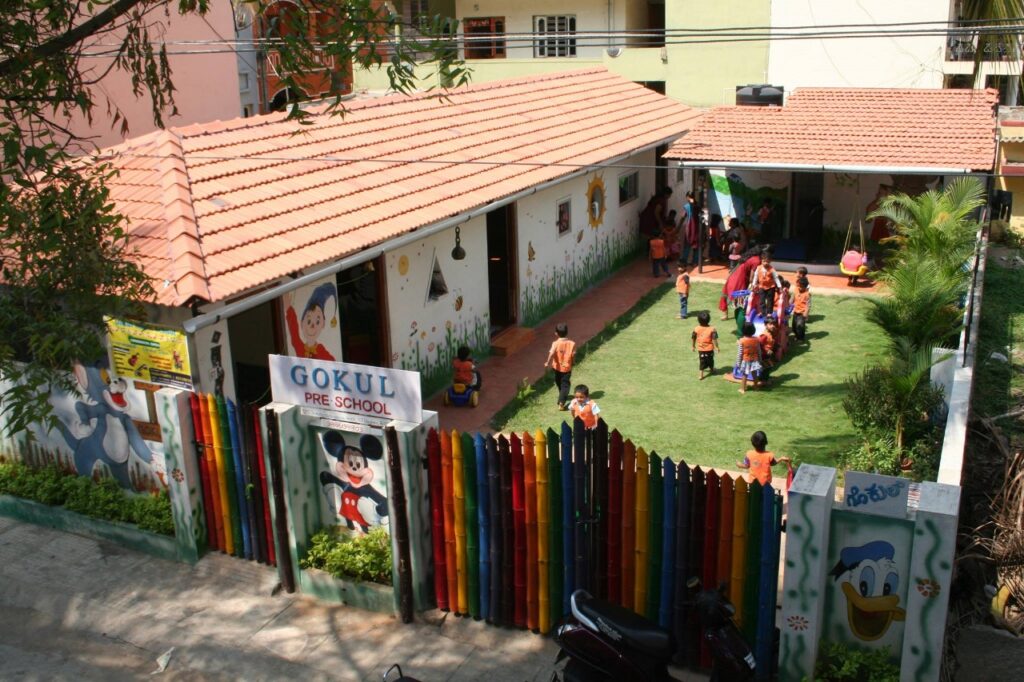
At Gokul Preschool in RT Nagar, we believe that happy children learn better. A positive preschool experience helps children build confidence, develop social skills, and create a lifelong love for learning.
In this blog, we will explore the signs that indicate your child is happy at preschool and what parents can do to support their child’s emotional well-being.
- Why Preschool Happiness Matters
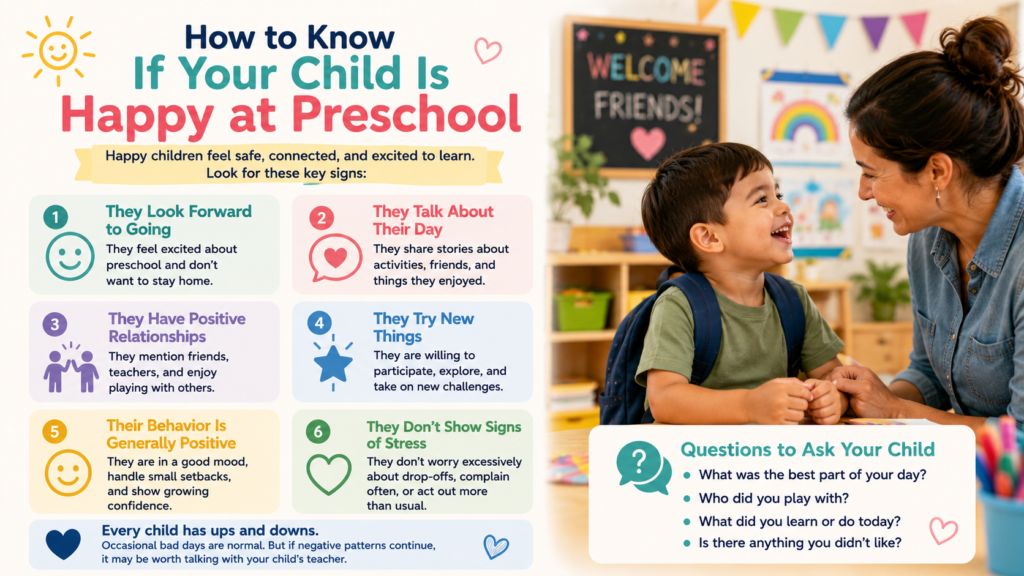
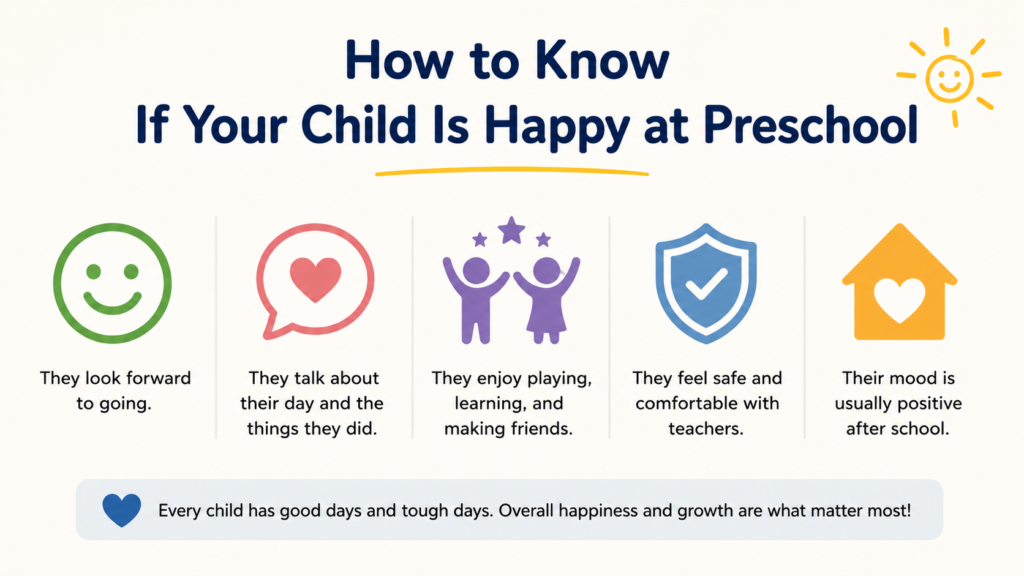
- Signs Your Child Is Happy at Preschool
- Signs Your Child May Not Be Happy at Preschool
- How Parents Can Support Preschool Happiness
- How Gokul Preschool in RT Nagar Creates a Happy Learning Environment
- Common Misconceptions About Preschool Happiness
- How to Know if Your Child Is Happy at Preschool FAQs
- Conclusion of How to Know if Your Child Is Happy at Preschool
Why Preschool Happiness Matters
A child who feels happy and secure at preschool is more likely to:
- Participate in activities
- Build friendships
- Communicate confidently
- Develop independence
- Enjoy learning new things
When children feel emotionally safe, they become more open to exploring, learning, and interacting with others.
Preschool should be a place where children feel supported, encouraged, and valued every day.
Signs Your Child Is Happy at Preschool
Every child is different, but there are several common signs that indicate a positive preschool experience.
Excited to Go to School
One of the clearest signs of preschool happiness is enthusiasm.
If your child:
- Talks positively about school
- Gets ready without much resistance
- Looks forward to seeing teachers and friends
it usually indicates that they enjoy their preschool environment.
While occasional reluctance is normal, consistent excitement is a positive sign.
Talks About Preschool at Home
Happy children often share their preschool experiences with family members.
They may talk about:
- Friends they played with
- Songs they learned
- Stories they heard
- Activities they enjoyed
- Teachers they interacted with
Even simple comments about their day suggest that they are engaged and comfortable.
Makes New Friends
Friendships play an important role in preschool happiness.
Children who enjoy preschool often:
- Mention classmates by name
- Talk about playing together
- Show excitement about seeing friends
Positive social interactions help children feel connected and included.
Participates in Activities
Children who feel comfortable at preschool usually enjoy participating in classroom activities.
These may include:
- Storytelling
- Art and craft
- Music and dance
- Outdoor play
- Group games
Active participation often indicates confidence and emotional security.
Shows Increased Confidence
Preschool helps children develop independence and self-esteem.
You may notice your child:
- Trying new activities
- Speaking more confidently
- Completing simple tasks independently
- Taking pride in their achievements
Confidence often grows when children feel successful and supported in their environment.
Has a Positive Relationship with Teachers
Teachers play a major role in a child’s preschool experience.
Children who feel happy at preschool often:
- Talk positively about their teachers
- Feel comfortable asking for help
- Enjoy interacting with classroom staff
Strong teacher-child relationships create a sense of safety and trust.
Demonstrates New Skills at Home
Happy preschoolers often bring their learning home.
You may notice them:
- Singing new songs
- Reciting rhymes
- Drawing pictures
- Using new vocabulary
- Sharing stories from class
This enthusiasm for learning is a positive indicator of preschool engagement.
Maintains Healthy Eating and Sleeping Habits
Emotional well-being often affects a child’s daily routines.
Children who are comfortable at preschool generally:
- Sleep well
- Eat normally
- Maintain regular routines
While occasional changes are normal, consistent healthy habits can suggest overall happiness.
Shows Curiosity About Learning
Preschool should inspire curiosity and exploration.
Children who enjoy preschool often:
- Ask questions
- Show interest in books
- Explore new ideas
- Participate in creative activities
A growing interest in learning is a strong sign of a positive educational experience.
Adapts Well to Preschool Routine
Children who feel secure in their preschool environment often adjust comfortably to routines.
They become familiar with:
- Drop-off times
- Classroom schedules
- Activity transitions
- School expectations
A child who adapts well typically feels safe and confident within the environment.
Signs Your Child May Not Be Happy at Preschool
While occasional challenges are normal, parents should pay attention to persistent signs of discomfort.
Frequent Complaints About School
If a child regularly expresses negative feelings about preschool, it may be worth investigating further.
Extreme Separation Anxiety
Some anxiety is normal during the adjustment period, but prolonged distress may indicate difficulty adapting.
Sudden Behavioral Changes
Watch for signs such as:
- Increased irritability
- Aggression
- Withdrawal
- Frequent emotional outbursts
Refusal to Participate
A child who consistently avoids activities or social interaction may need additional support.
Changes in Sleep or Appetite
Ongoing sleep disturbances or appetite changes can sometimes reflect emotional concerns.
If these signs continue, parents should communicate with teachers to better understand what may be happening.
How Parents Can Support Preschool Happiness
Creating a positive preschool experience requires support both at school and at home.
Talk About Preschool Every Day
Ask simple questions such as:
- What was your favorite activity today?
- Who did you play with?
- What made you smile today?
These conversations encourage children to share their experiences.
Maintain a Positive Attitude About School
Children often adopt their parents’ attitudes.
Speak positively about preschool and focus on the exciting aspects of learning and friendship.
Establish Consistent Routines
Regular routines help children feel secure and confident.
Maintain consistent schedules for:
- Sleeping
- Meals
- School preparation
Predictability helps reduce stress and anxiety.
Encourage Friendships
Arrange opportunities for your child to interact with classmates outside school when possible.
Strong friendships often increase preschool happiness.
Communicate with Teachers
Teachers can provide valuable insights into your child’s classroom experience.
Regular communication helps parents understand:
- Social development
- Learning progress
- Emotional well-being
Working together creates a stronger support system for the child.
How Gokul Preschool in RT Nagar Creates a Happy Learning Environment
At Gokul Preschool in RT Nagar, we believe that children learn best when they feel happy, safe, and valued.
Our preschool focuses on:
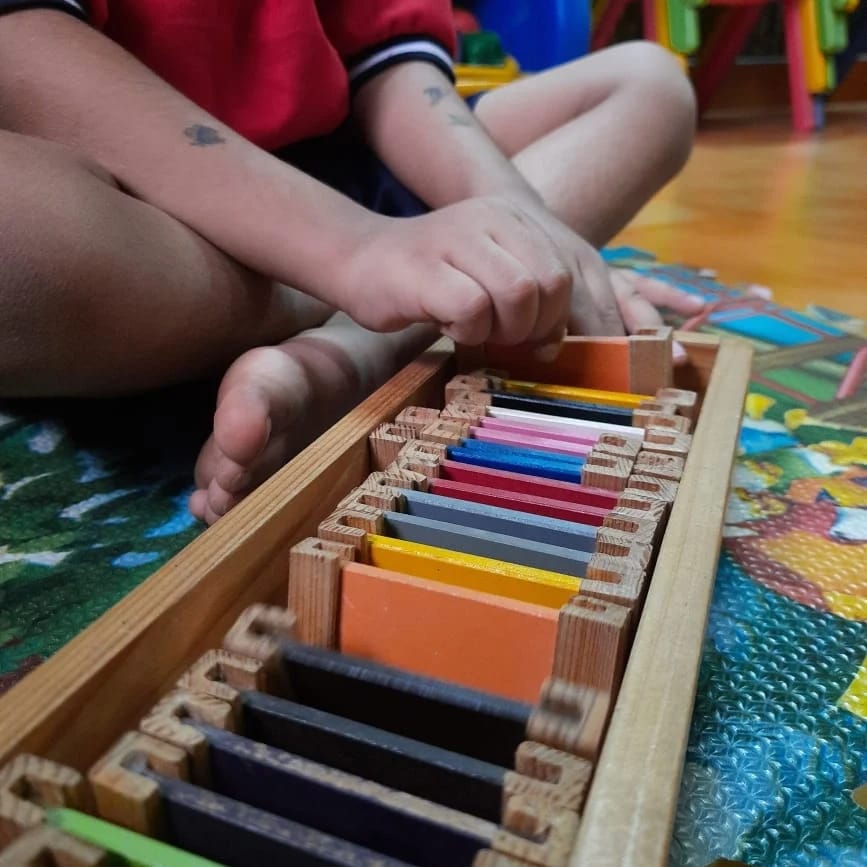
- Play-based learning
- Positive teacher-child relationships
- Social and emotional development
- Creative activities
- Safe and nurturing classrooms
We encourage children to explore, learn, and build confidence in a supportive environment that makes every day enjoyable.
Parents looking for a trusted preschool in RT Nagar choose Gokul Preschool because we prioritize children’s happiness alongside their educational development.
Common Misconceptions About Preschool Happiness
Happy Children Never Cry
Even happy children may occasionally cry or feel upset, especially during transitions.
How to Know if Your Child Is Happy at Preschool
Academic Success Means Happiness
Good academic performance does not always indicate emotional well-being.
Social and emotional comfort are equally important.
Children Will Always Talk About Their Day
Some children are naturally quiet and may not share details immediately.
Observe behavior as well as verbal communication.
How to Know if Your Child Is Happy at Preschool FAQs
How can I tell if my child enjoys preschool?
Children who enjoy preschool often talk about their day, make friends, participate in activities, and look forward to going to school.
Is it normal for children to cry at preschool?
Yes. Many children experience separation anxiety initially, but most adjust as they become comfortable with the environment.
What should I do if my child doesn’t want to go to preschool?
Talk with your child, communicate with teachers, and identify any specific concerns. Consistent support and routines can help.
How important are friendships in preschool?
Friendships help children feel connected, confident, and emotionally secure, making preschool more enjoyable.
Which preschool in RT Nagar focuses on children’s happiness and development?
Gokul Preschool in RT Nagar provides a safe, nurturing, and engaging environment where children can learn, grow, and thrive with confidence.
Conclusion of How to Know if Your Child Is Happy at Preschool
Knowing whether your child is happy at preschool involves paying attention to both their words and behavior.
Signs such as enthusiasm for school, friendships, confidence, participation, and positive interactions with teachers often indicate a healthy and enjoyable preschool experience.
At the same time, parents should remain attentive to any signs of ongoing discomfort or stress and communicate openly with teachers when concerns arise.
At Gokul Preschool in RT Nagar, we are committed to creating a joyful learning environment where children feel secure, supported, and excited to learn every day.
A happy preschool experience lays the foundation for confidence, curiosity, and a lifelong love of learning.